
5 Outdoor Maintenance Must-Dos That Can Save You Thousands
Keep your Southern California backyard beautiful, functional, and ready for years of outdoor living.
Your backyard looked incredible when it was first completed.
The wood was freshly stained, the pavers were spotless, the plants were thriving, and the pergola looked flawless.
Fast-forward a few years.
The fence is looking a little tired. There's a suspicious wet spot near the patio. The wood is fading. A few pavers have shifted. And that beautiful landscape lighting system? Half the fixtures seem to have retired early.
Sound familiar?
Here's the thing about outdoor spaces: The most expensive landscape problems often start as small, inexpensive maintenance issues.
And in Southern California, our outdoor spaces work overtime.
Between intense sunshine, coastal salt air, irrigation, occasional heavy winter storms, and year-round outdoor living, even high-quality materials need a little attention.
The good news? You don't need to renovate your backyard every few years to keep it looking beautiful.
Here are the five most important outdoor maintenance habits we recommend to protect your investment, avoid unnecessary repairs, and keep your landscape looking its best.
1. Protect Your Wood Before It Starts Falling Apart
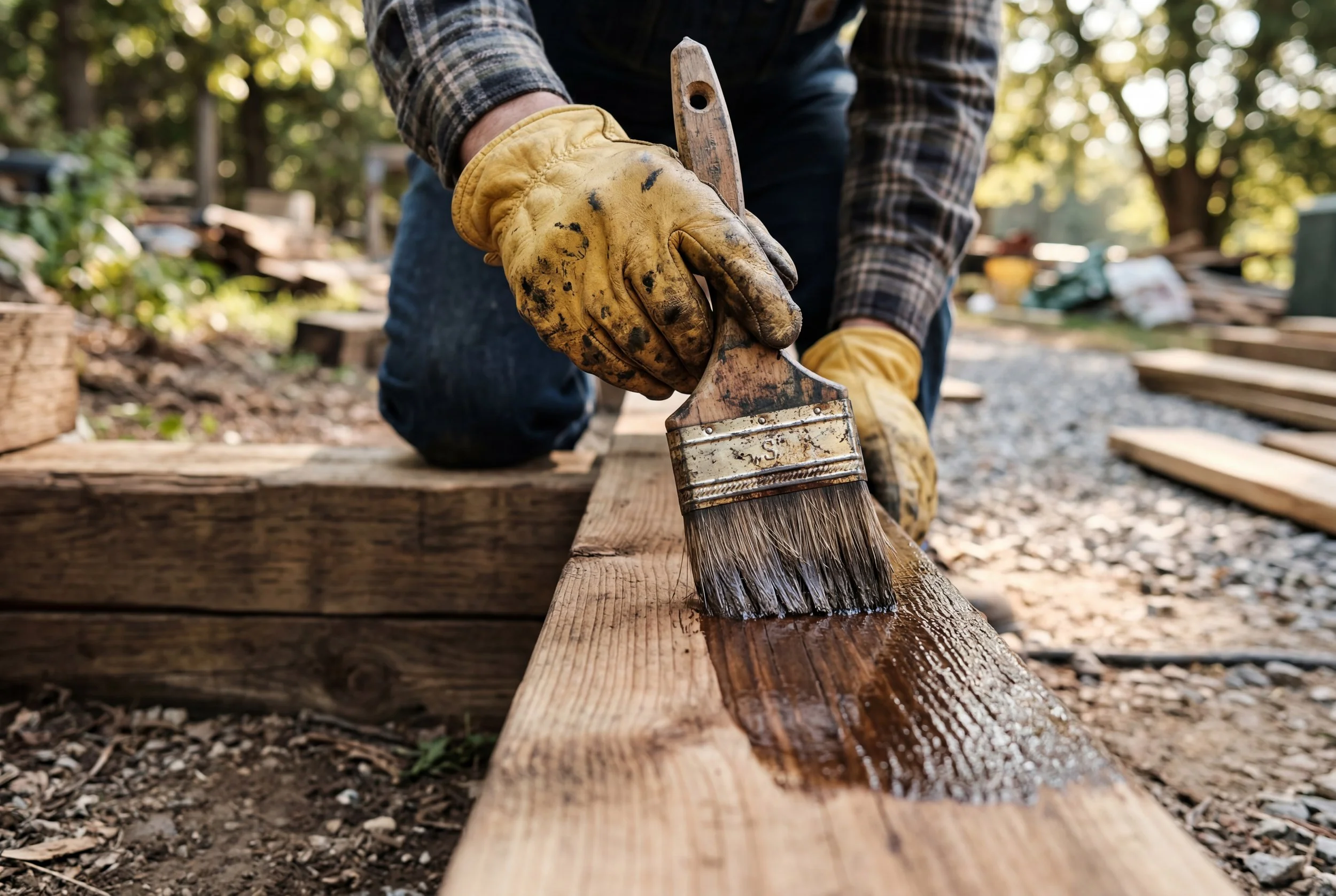
Pergolas, fences, gates, decks, and wooden patio covers
Wood brings warmth and character to an outdoor space. It also takes a beating from sunshine and weather exposure.
UV exposure breaks down wood finishes, while moisture can contribute to swelling, cracking, decay, and hardware deterioration.
Coastal areas such as Pacific Beach, La Jolla, Del Mar, and Encinitas face additional exposure to salty air.
What to check
Fading, peeling, or worn protective finishes
Splitting, cracking, or splintering wood
Soft spots near the ground or post bases
Loose screws, brackets, and connections
Rusting hardware
Fence posts that lean or move
Water collecting on horizontal wood surfaces
Our favorite maintenance trick: The Water-Drop Test
Place a few drops of water on a clean, dry section of finished wood.
If the water beads up, the finish may still be repelling moisture.
If it quickly absorbs into the surface, it may be time to inspect the finish more closely.
This is only a screening test—not a guarantee that the wood is adequately protected.
How often should you refresh wood?
Inspect wood structures at least twice a year, ideally before and after the rainy season.
The actual refinishing schedule depends on the wood species, finish, sun exposure, and distance to the ocean. Some exposed surfaces may need attention every 1–3 years, while more durable systems can last longer.
EcoDesignSD Tip: Don't automatically apply a new coat of stain over an old failing finish. Clean, sand and prepare the surface before adding any new layers of stain or paint.
Don't forget the hardware!
Check bolts, post bases, brackets, and other visible structural connections for corrosion or movement.
For coastal properties, properly specified stainless-steel or other corrosion-resistant hardware can be a worthwhile investment.
If you notice significant movement, rot, or compromised structural connections you can contact our team to inspect and perform any necessary repairs.
The expensive mistake to avoid: Ignoring water damage at the base of fence and pergola posts until entire sections need replacement.
2. Check Irrigation & Drainage Before Water Creates Expensive Problems
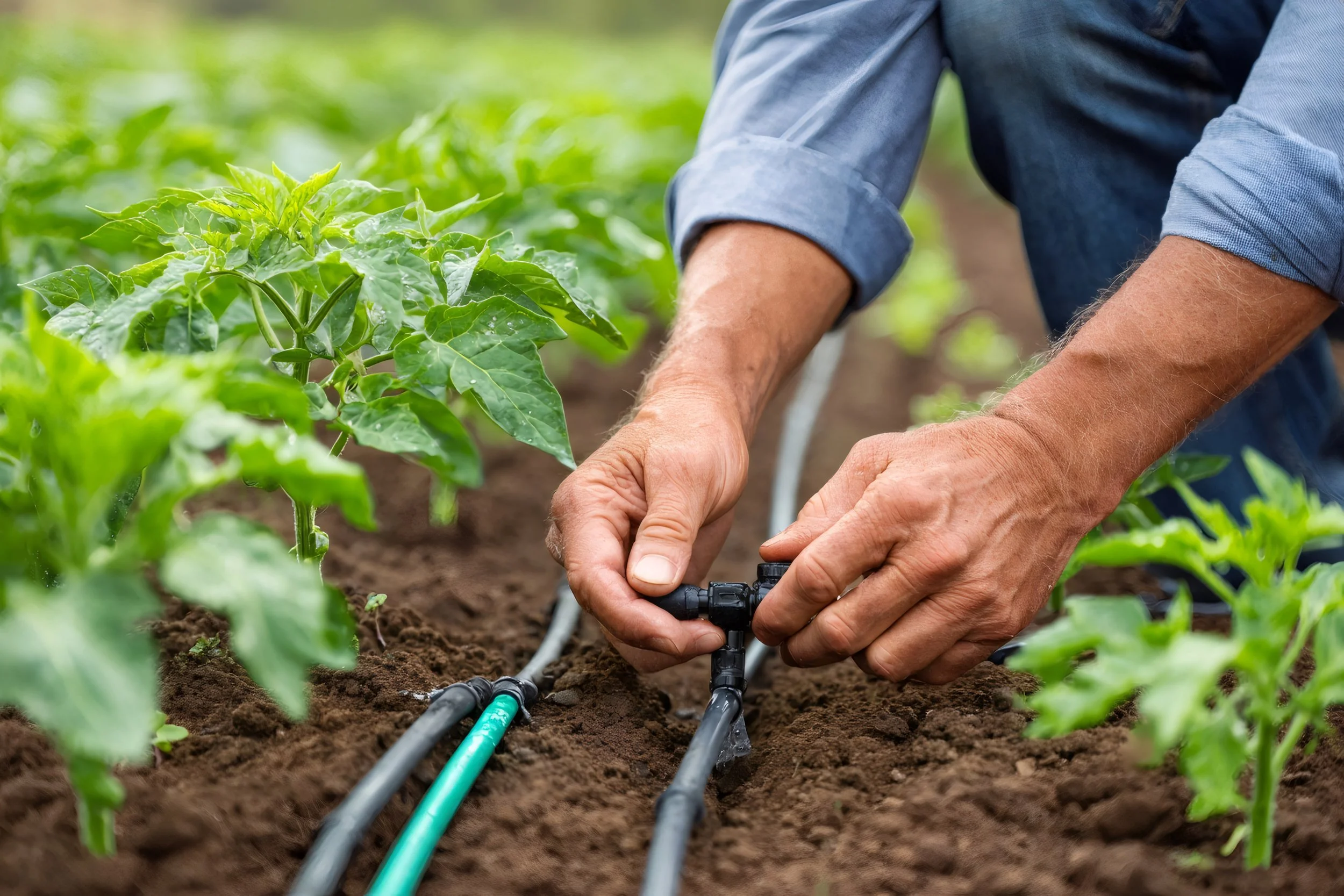
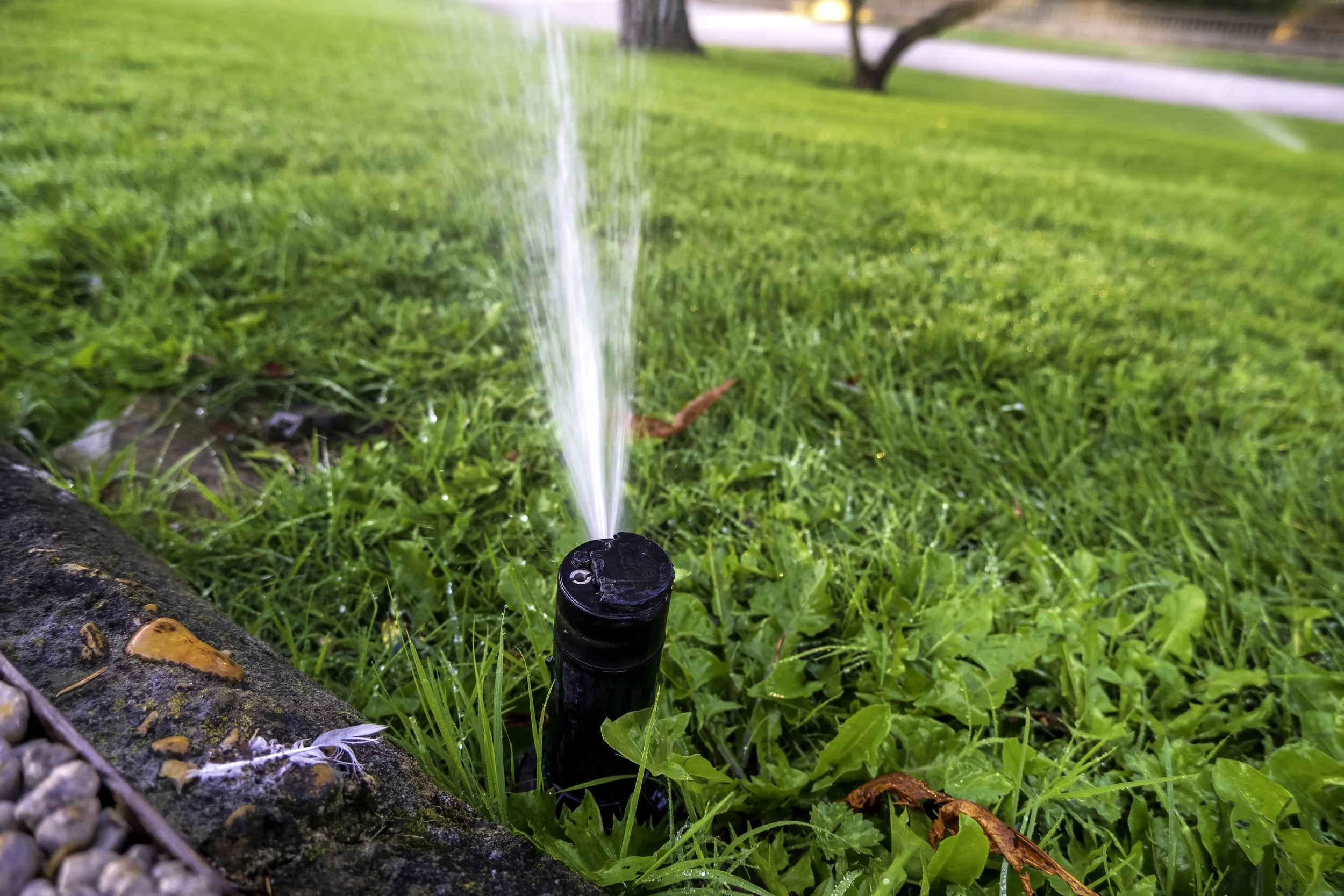
A small irrigation leak can become a surprisingly expensive landscaping problem.
Many irrigation lines are hidden underground or beneath mulch, it is not easy to notice problems immediately.
A broken drip line can oversaturate a planting bed. A misdirected sprinkler can repeatedly soak a wooden fence. Poor drainage can contribute to erosion, settlement, and moisture problems near structures.
Your monthly irrigation check
Turn on each irrigation zone and walk the property.
Look for:
Broken or missing emitters
Leaking valves and fittings
Sprinklers spraying onto fences or building walls
Clogged drip emitters
Unusually wet or dry planting areas
Water running onto sidewalks or driveways
Standing water that remains long after irrigation ends
Don't forget drainage!
Before San Diego’s winter rainy season, inspect:
Area drains
Drain grates
Downspout connections
Surface drainage channels
Visible discharge outlets
Remove leaves and debris that could block water flow.
Check that drainage routes remain unobstructed and water is directed away from buildings.
The Five-Minute Drainage Test
During a normal irrigation cycle, observe where the water travels.
Does it soak into the intended planting area?
Does it run toward the house?
Does it collect behind a retaining wall?
Does it wash soil onto the patio?
If water consistently collects in the wrong place, investigate the cause rather than simply adding more gravel or another drain.
EcoDesignSD Tip: Adjust irrigation seasonally. Your landscape generally doesn't need the same watering schedule during cool, cloudy winter weather as it does during a hot September week.
The expensive mistake to avoid: Allowing an inexpensive irrigation leak or clogged drain to contribute to damaged hardscape, plant loss, or building moisture problems.
3. Maintain Your Concrete, Pavers & Natural Stone
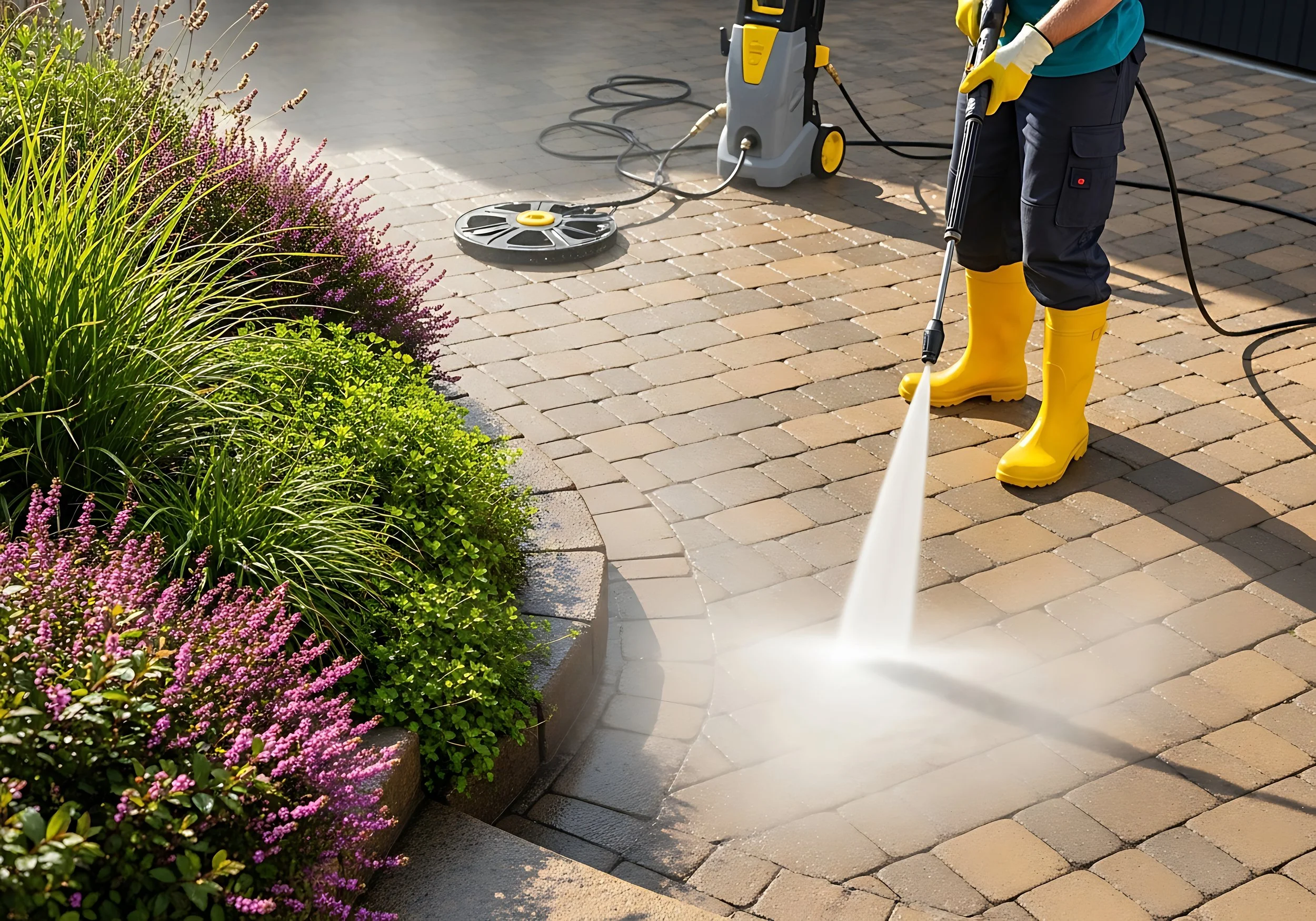
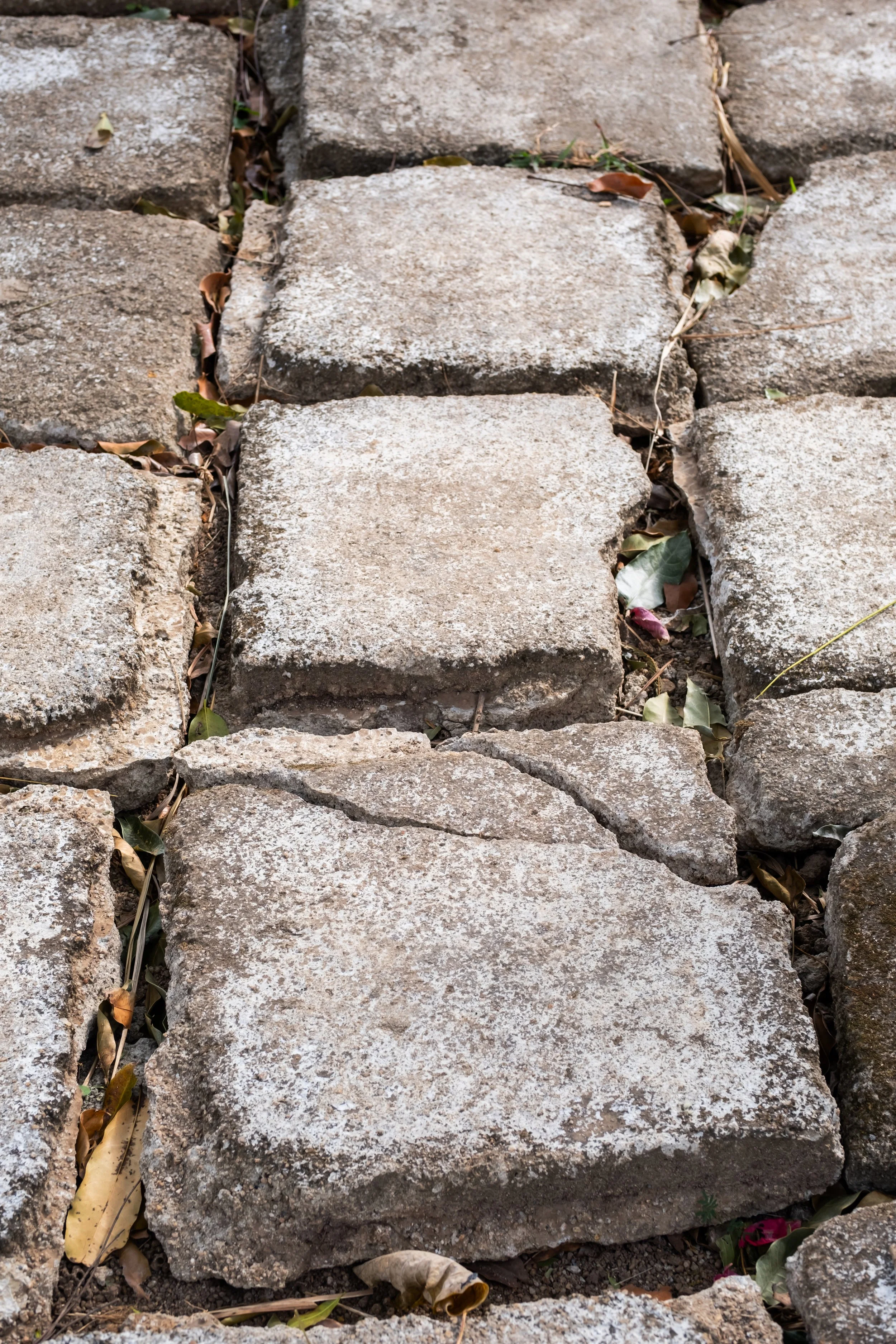
Hardscape is durable. That doesn't mean it's maintenance-free.
Concrete, natural stone, porcelain pavers, and decorative gravel are designed to handle outdoor conditions, but they still require occasional care.
Small cracks, shifting pavers, deteriorating joints, and poor drainage can become larger problems when ignored.
What to inspect
Cracks that are growing or changing
Uneven pavers or trip hazards
Missing or deteriorating joint material
Water collecting on paving surfaces
Loose coping around pools
Stains from irrigation, rust, leaves, or fertilizer
Weeds growing between pavers
Should You Seal Your Hardscape?
Sometimes—but not always.
Certain natural stones and concrete surfaces benefit from compatible sealers that reduce staining and water absorption.
Other materials, including many porcelain pavers, generally don't require surface sealing.
Before sealing, confirm the manufacturer's recommendations and the material's porosity, finish, and slip-resistance requirements.
Important: Some sealers can change the appearance or slip resistance of a surface, particularly around pools.
Be Careful With Pressure Washing
Pressure washing can be useful, but excessive pressure can damage soft stone, concrete finishes, mortar, and paver joints.
Always test a small area and use a cleaning method suitable for the material.
What About Small Cracks?
Not every hairline crack is a structural emergency.
However, cracks that widen, develop vertical displacement, or appear alongside drainage problems deserve closer inspection.
The 10-Minute Hardscape Walk
Once every few months, walk the property and look for uneven surfaces, loose joints, and areas where water collects.
A small repair today may prevent a much larger section from requiring replacement later.
The expensive mistake to avoid: Ignoring settlement or drainage problems and repeatedly patching the visible surface without correcting the underlying cause.
4. Give Your Plants, Trees & Soil a Seasonal Refresh
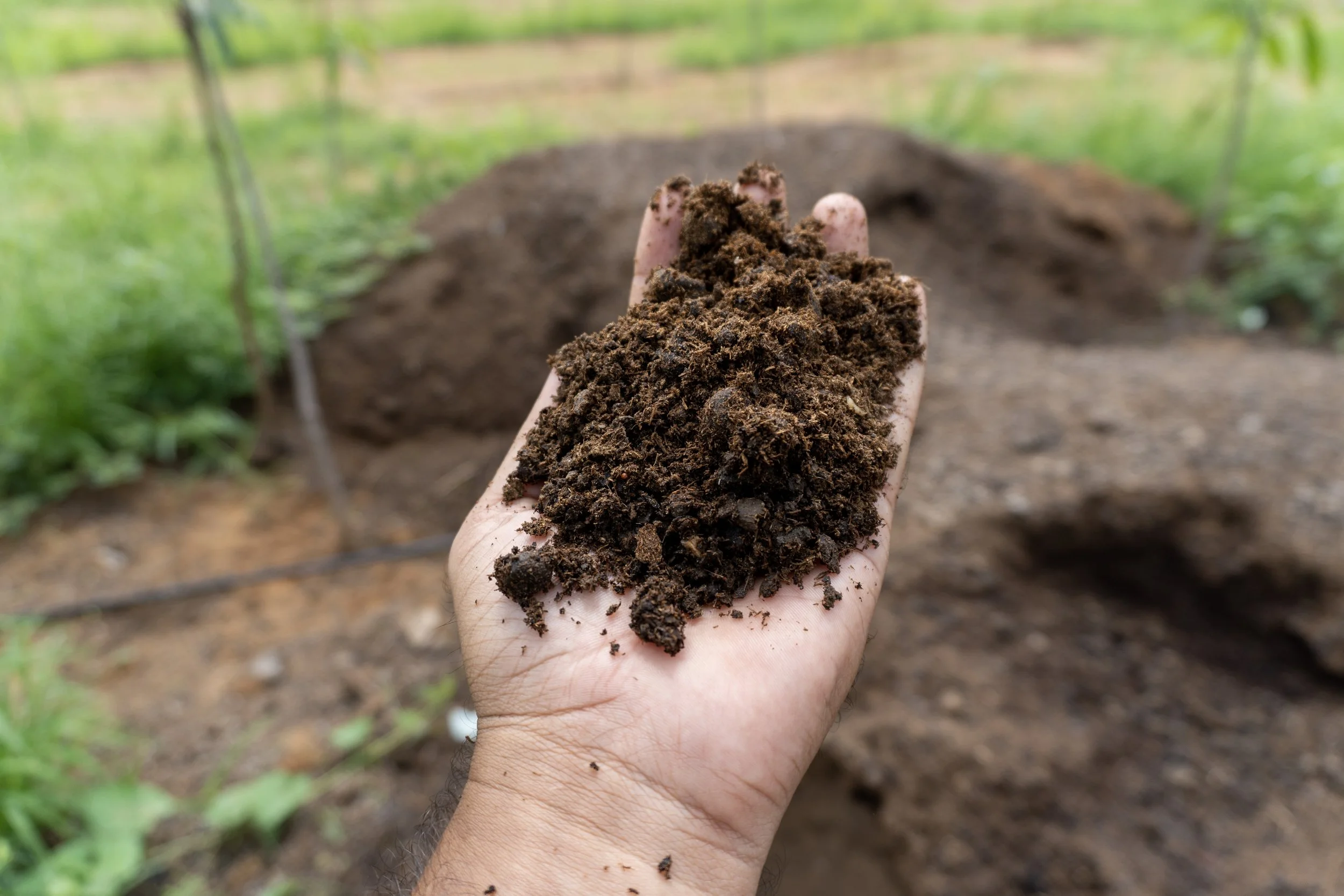
A beautiful landscape isn't about constantly replacing plants.
It's about keeping the right plants healthy.
One of the most common problems we see is homeowners waiting until plants look terrible before investigating what went wrong.
By then, the root system may already be damaged.
Five things to look for
1. Overgrown shrubs
Shrubs planted too close to walls, walkways, or one another may need selective pruning.
Avoid repeatedly shearing every shrub into a tight ball. Many plants look healthier and more natural when their growth habit is preserved.
2. Trees touching structures
Check branches growing toward roofs, fences, pergolas, or overhead utilities.
Use a qualified arborist for significant pruning or work near utility lines.
3. Exposed or compacted soil
Organic mulch can help moderate soil temperatures, reduce evaporation, and suppress weeds.
For many planting beds, approximately 2–3 inches of organic mulch is appropriate, depending on the plants and site.
Keep mulch away from tree trunks, plant crowns, and vulnerable wood structures.
4. Plant health
Look for yellowing leaves, unusual leaf drop, pest damage, poor growth, and signs of irrigation problems.
5. Root competition
As plants mature, they compete for water, nutrients, and space.
Sometimes selective thinning or transplanting is more effective than constantly adding fertilizer.
The Fall Refresh
Fall is an excellent time to evaluate your Southern California planting beds.
Consider:
Removing dead plant material
Refreshing appropriate mulch
Checking irrigation emitters
Planting suitable California natives
Replacing plants that repeatedly struggle in the wrong location
Adjusting irrigation for cooler weather
Don't Over-Fertilize
More fertilizer doesn't automatically mean healthier plants.
Many California natives and drought-adapted species require little supplemental fertilizer once established.
Excess fertilizer can encourage weak growth, contribute to runoff, or damage roots.
EcoDesignSD Tip: Before replacing a struggling plant, investigate its irrigation, drainage, sunlight, and soil conditions. Otherwise, you may simply repeat the same problem with a new plant.
The expensive mistake to avoid: Replacing mature trees and entire planting beds because early signs of poor drainage, pests, or irrigation problems were overlooked.
5. Inspect Outdoor Lighting, Metal Gates & Built-In Features
The final category is easy to forget because many of these features appear to be low maintenance.
But gates, landscape lighting, outdoor kitchens, fire features, and other built-in elements all have components that can deteriorate over time.
Landscape Lighting
Inspect your system periodically for:
Broken fixtures
Exposed or damaged wiring
Water intrusion
Corroded connections
Fixtures buried beneath mulch
Lights blocked by growing plants
Malfunctioning transformers or timers
Clean lenses and reposition fixtures as plants mature.
A light that beautifully illuminated an olive tree three years ago might now be completely hidden behind its foliage.
Use outdoor-rated components and have electrical problems addressed by a qualified professional.
Metal Gates & Fences
Inspect hinges, latches, welds, and protective coatings.
In coastal areas, salt exposure can accelerate corrosion.
Small areas of coating damage may be repairable before rust spreads, provided the metal is still sound.
Keep moving hardware maintained according to the manufacturer's recommendations.
Outdoor Kitchens & Built-In Features
Inspect:
Cabinet doors and hinges
Countertop joints
Grout and sealant
Drainage around built-in appliances
Exterior-rated electrical outlets
Signs of water intrusion
For gas appliances, follow the manufacturer's maintenance instructions and use qualified service professionals.
Pergola Covers & Shade Systems
Don't forget retractable shade systems, fabric canopies, and adjustable patio covers.
Inspect moving parts, fabric condition, drainage, and visible fasteners.
Before storms, secure or retract systems as recommended by the manufacturer.
The expensive mistake to avoid: Letting minor corrosion, water intrusion, or damaged connections develop into larger mechanical, electrical, or structural repairs.
The EcoDesignSD Seasonal Maintenance Calendar
You don't need to inspect every inch of your property every weekend.
A simple routine makes outdoor maintenance much easier.
For coastal properties, increase inspections of exposed metal hardware and wood finishes as needed.
5 Small Maintenance Habits That Can Prevent Bigger Expenses
Here's our favorite way to think about outdoor maintenance:
Don't wait for something to fail before giving it attention.
A loose fence post is easier to address before an entire fence section leans.
A small irrigation leak is easier to repair before it contributes to settlement.
A worn wood finish is easier to refresh before moisture causes decay.
A clogged drain is easier to clear before water reaches your house.
And a struggling plant is easier to save before its root system deteriorates.
It's not about spending more money on maintenance.
It's about spending money at the right time.
When Is It Time to Call a Landscape Professional?
Some maintenance tasks are perfectly manageable for homeowners.
Others require specialized equipment, experience, or an understanding of construction and drainage.
Consider professional help when you notice:
Persistent irrigation leaks or drainage problems
Significant wood decay or unstable structures
Uneven or settling hardscape
Large trees requiring pruning
Electrical or gas-related problems
Repeated plant failures
Retaining walls showing movement or cracking
A professional inspection can help determine whether the issue requires a small repair, ongoing maintenance, or a more substantial correction.
A Beautiful Backyard Is an Investment Worth Protecting
A thoughtfully designed landscape should provide years of enjoyment.
But even the most beautiful outdoor spaces need occasional attention.
At EcoDesignSD, we believe that maintaining a landscape is just as important as designing it correctly in the first place.
From wood structures and hardscape to irrigation, drainage, planting, and lighting, every element plays a role in keeping your outdoor environment beautiful, functional, and long-lasting.
Whether you're refreshing an existing landscape or planning a complete outdoor renovation, proactive maintenance helps protect your investment and avoid unnecessary future expenses.
Because the best outdoor spaces aren't just designed to look beautiful on day one. They're designed to stay beautiful for years to come.
Serving San Diego County, including La Jolla, Del Mar, Encinitas, Solana Beach, Rancho Santa Fe, Pacific Beach, and surrounding communities.