
The Best Fruit Trees for Southern California (And How to Keep Them Happy!)
Southern California is a dream climate for fruit trees. With plenty of sunshine, mild winters, and long growing seasons, you can grow everything from citrus to avocados—often right in your backyard. The key is choosing the right trees, understanding common challenges, and pairing them with companion plants that help them thrive.
Let’s dig into the best fruit trees for SoCal, the most common issues, how to treat diseases naturally, and what to plant nearby for a healthier, more beautiful garden.
Best Fruit Trees to Plant in Southern California
Citrus Trees (Oranges, Lemons, Limes, Grapefruit)
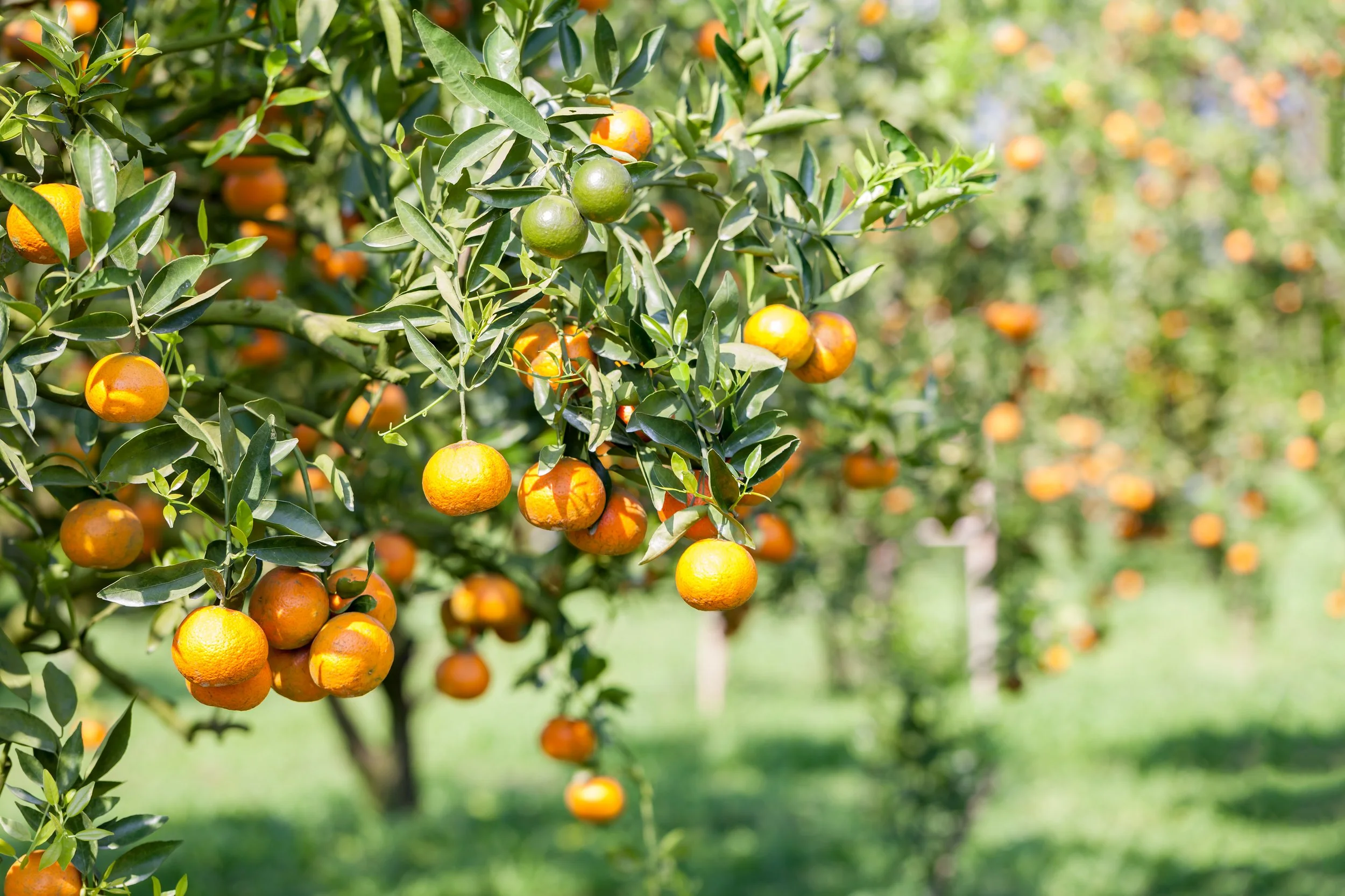
ORANGE TREE
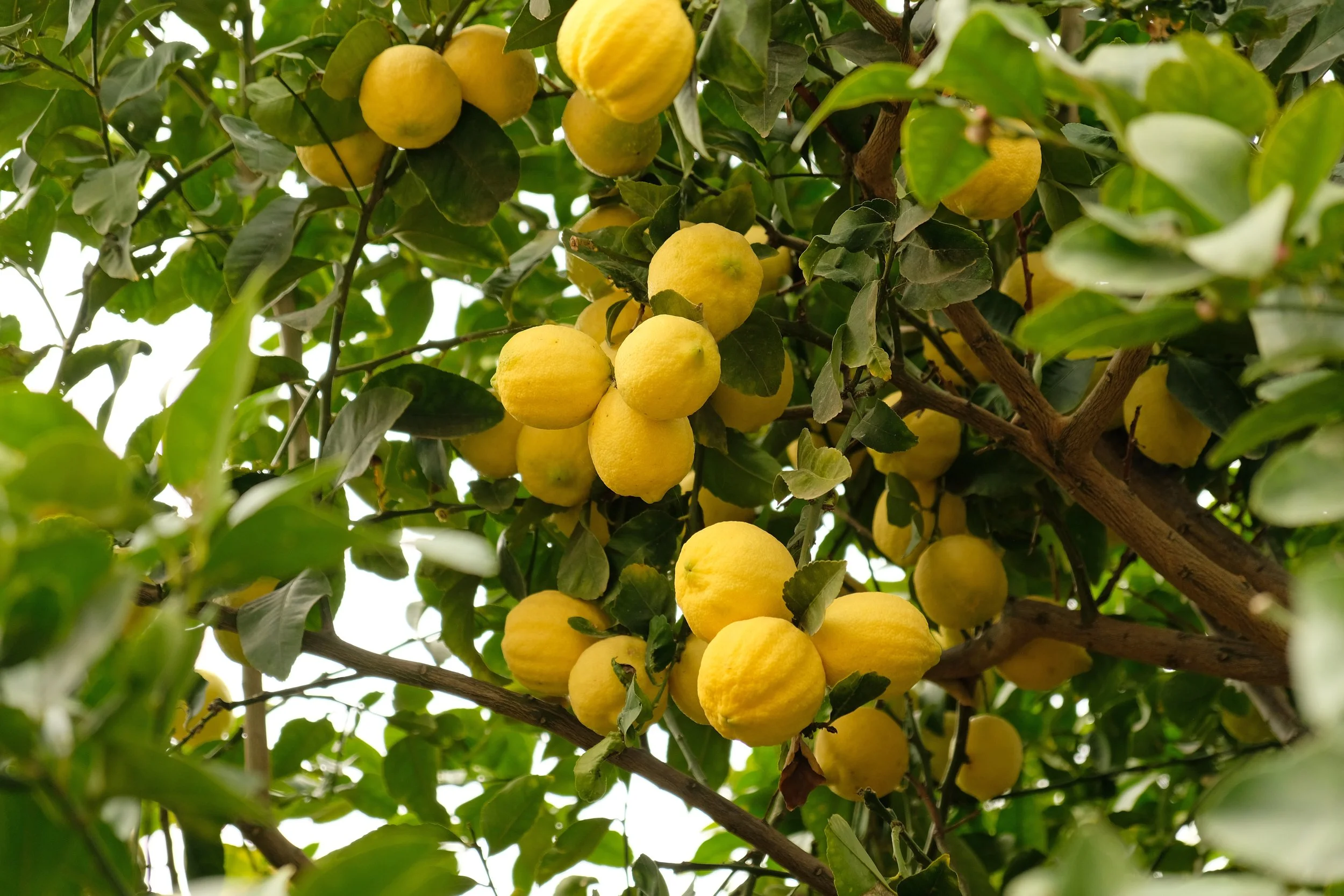
LEMON TREE
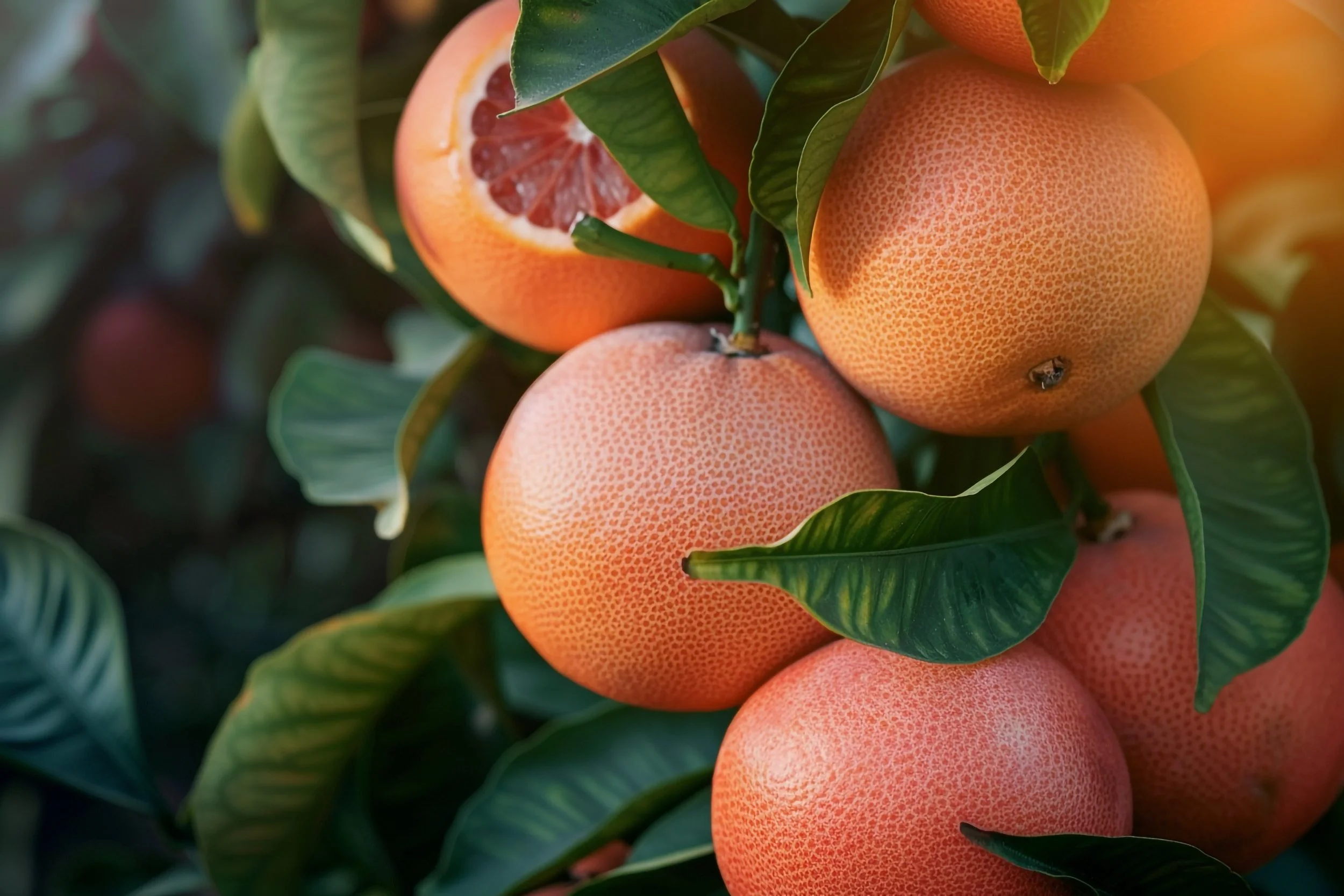
GRAPEFRUIT
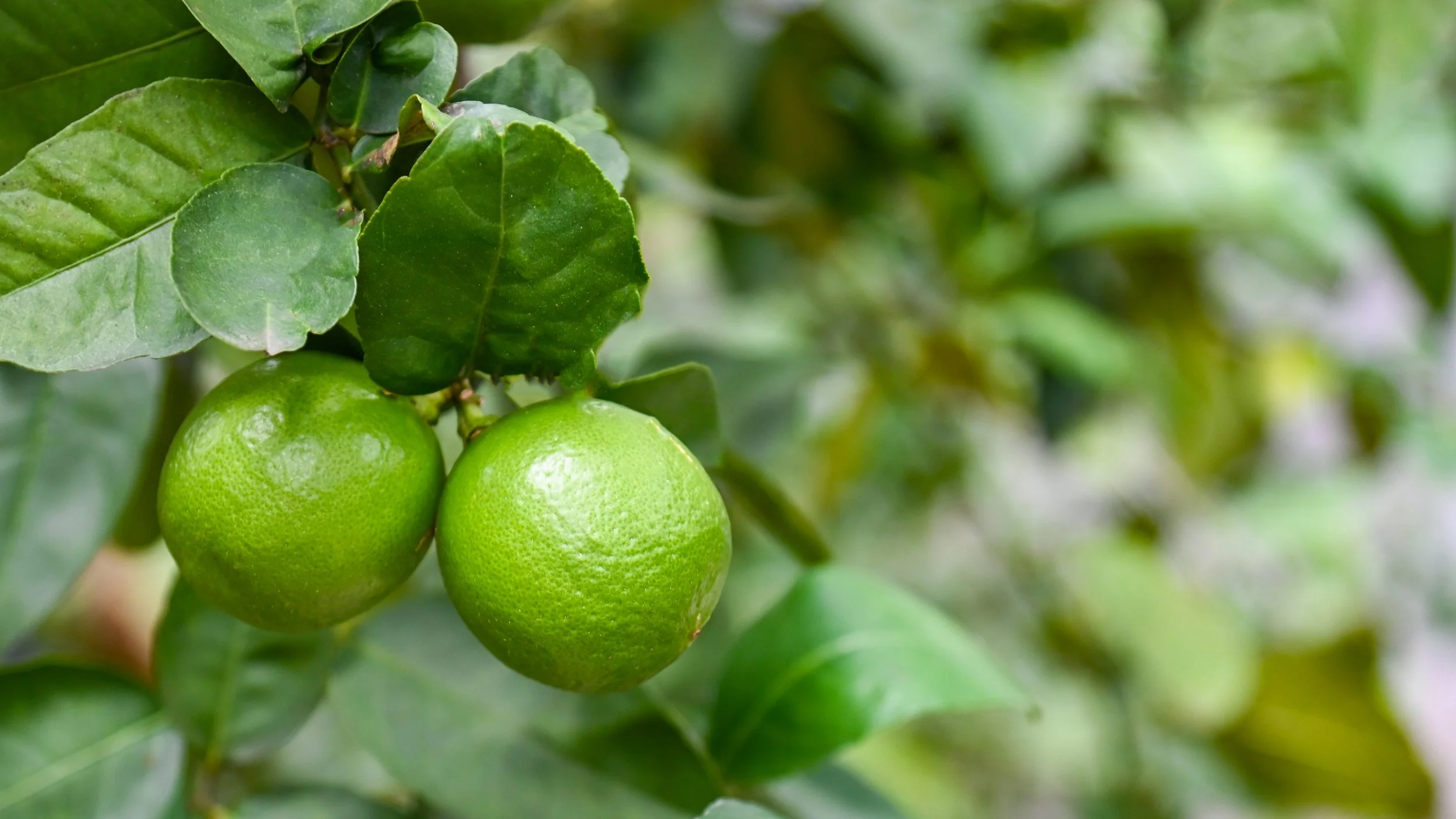
LIME TREE
Why they’re great:
Citrus LOVES our warm climate and produces reliably.
Top picks:
Meyer Lemon (sweet & juicy)
Valencia Orange (great for juice)
Persian Lime (heavy producer)
Tips:
Full sun, good drainage, occasional deep watering.
Avocado Trees
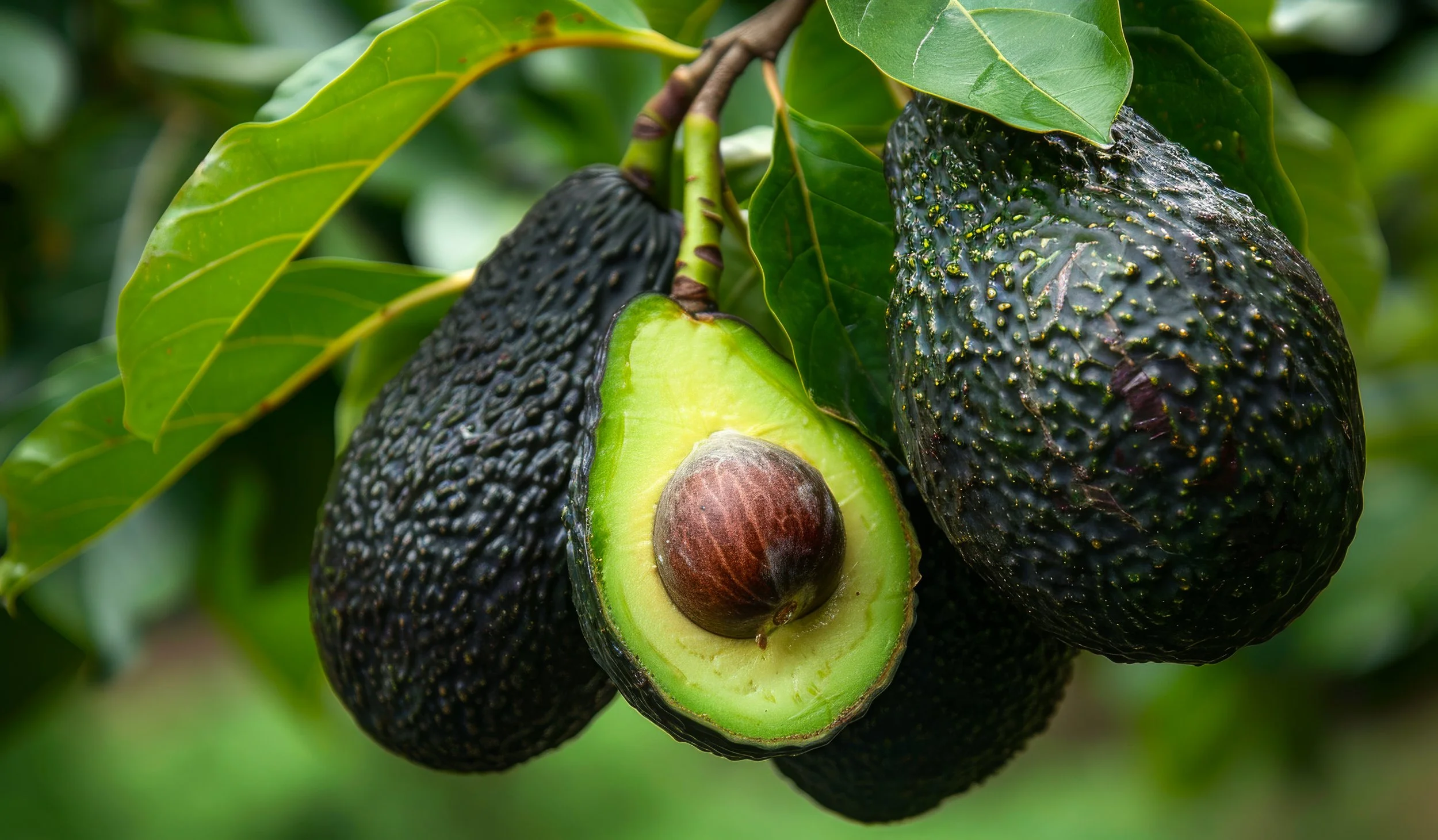
AVOCADO FRUIT & TREE
Why they’re great:
Avocados thrive in coastal and inland SoCal zones.
Top picks:
Hass (most popular)
Fuerte (cold-tolerant)
Reed (great producer)
Tips:
Protect young trees from frost and strong wind.
Stone Fruits (Peach, Plum, Apricot, Nectarine)
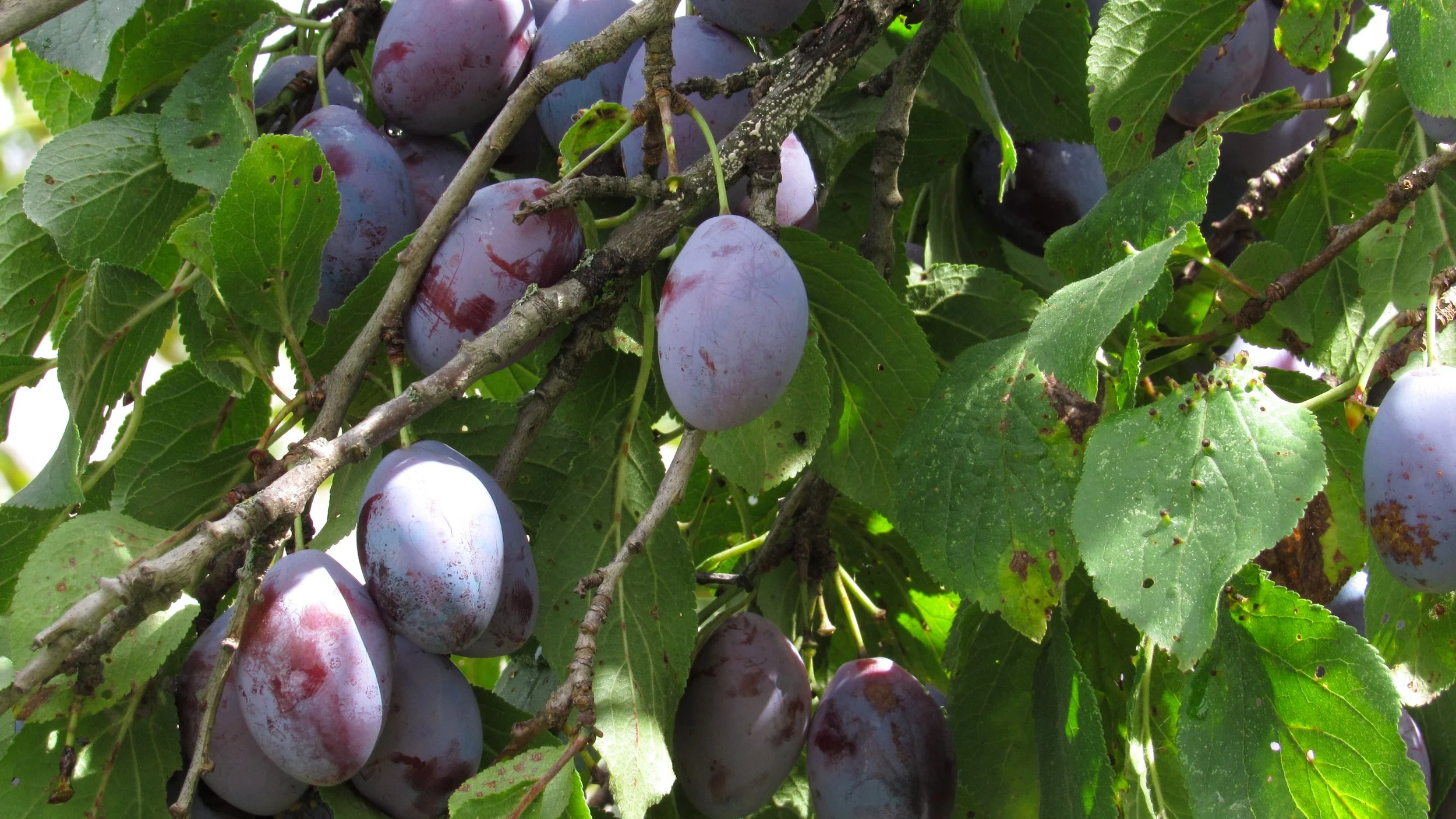
PLUM TREE
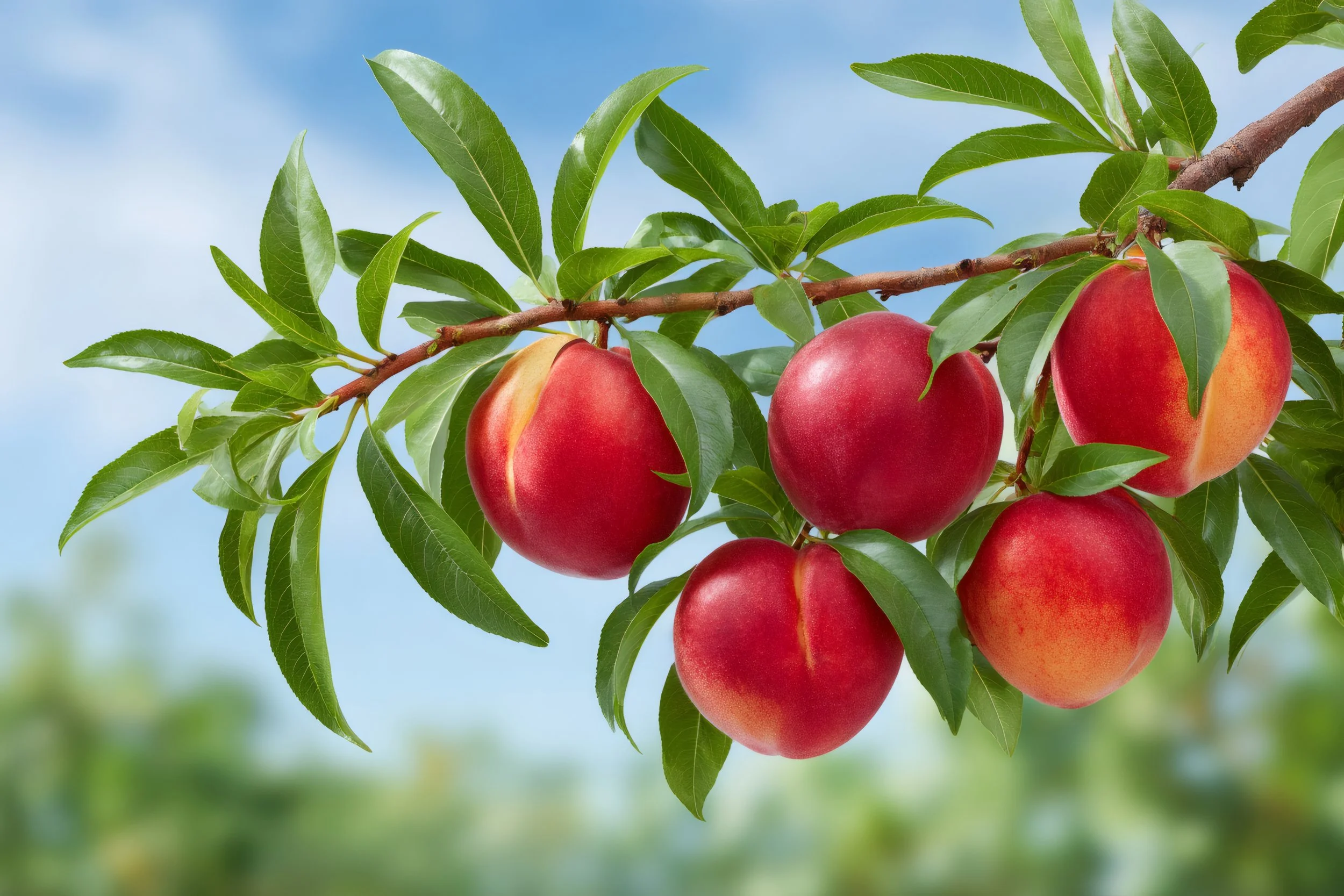
NECTARINE TREE
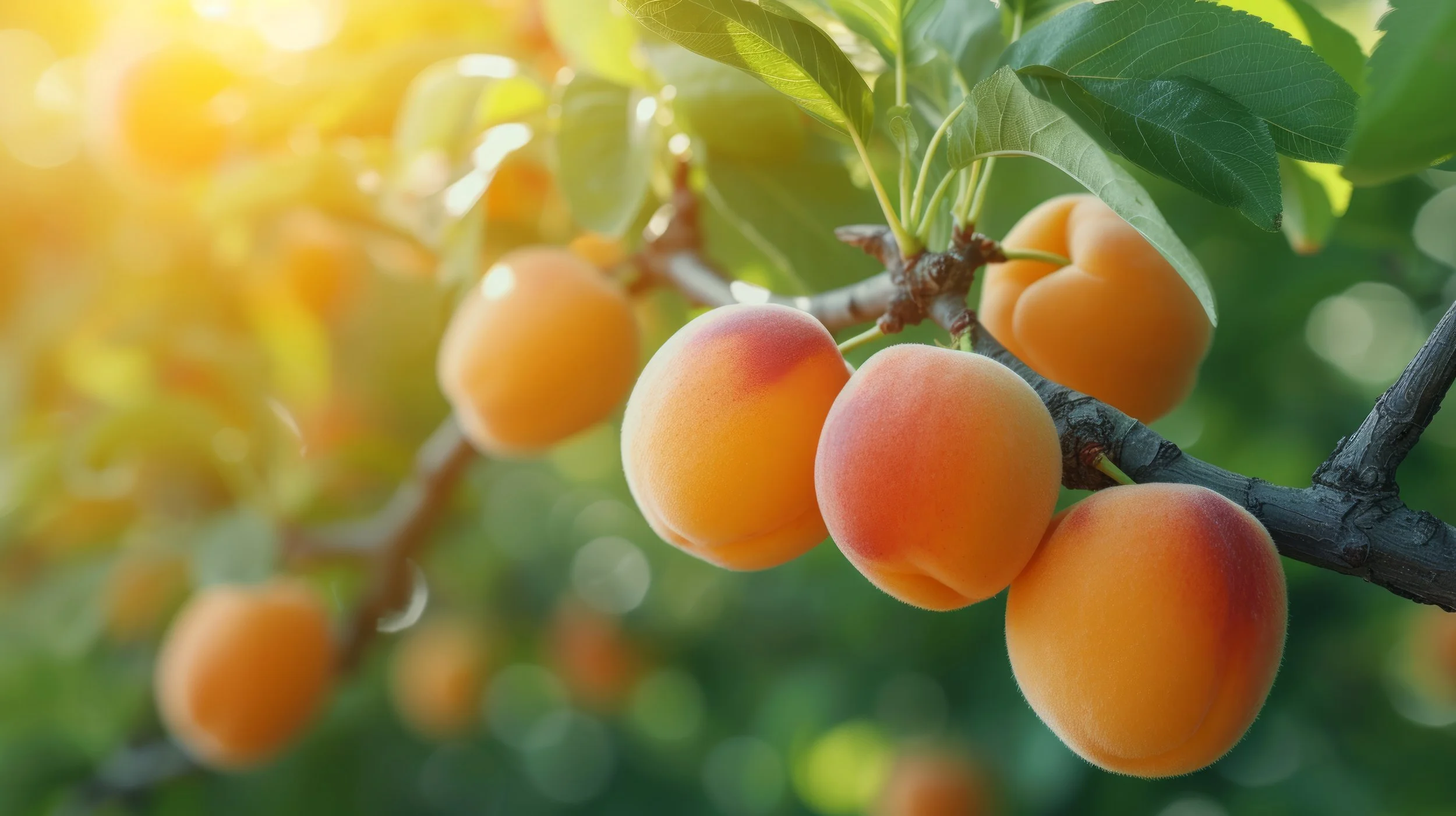
APRICOT TREE
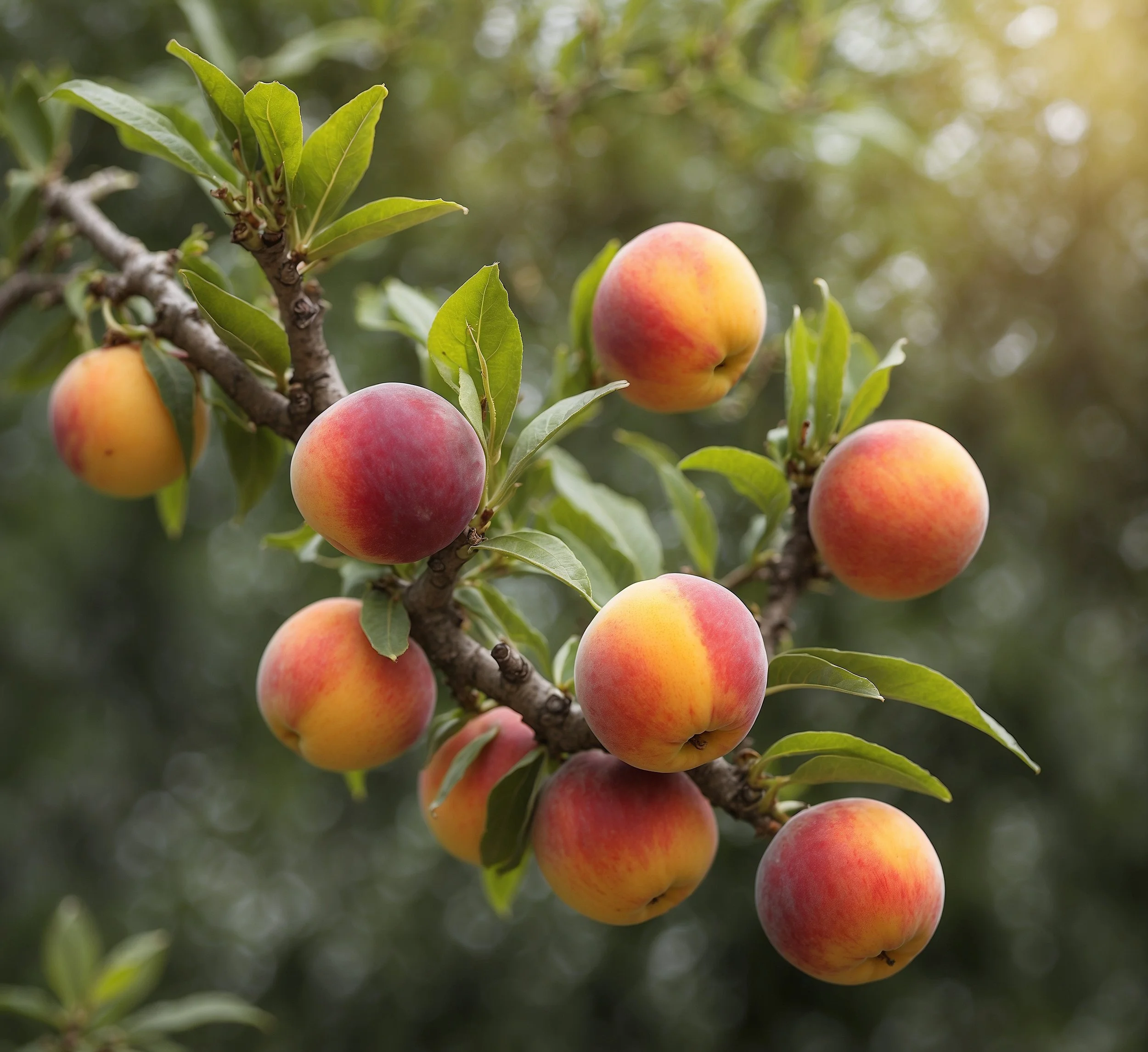
PEACH TREE
Why they’re great:
Low-chill varieties grow beautifully here.
Best low-chill varieties:
Desert Gold Peach
Santa Rosa Plum
Gold Kist Apricot
Tips:
Choose varieties with low chill hour requirements.
Apple Trees
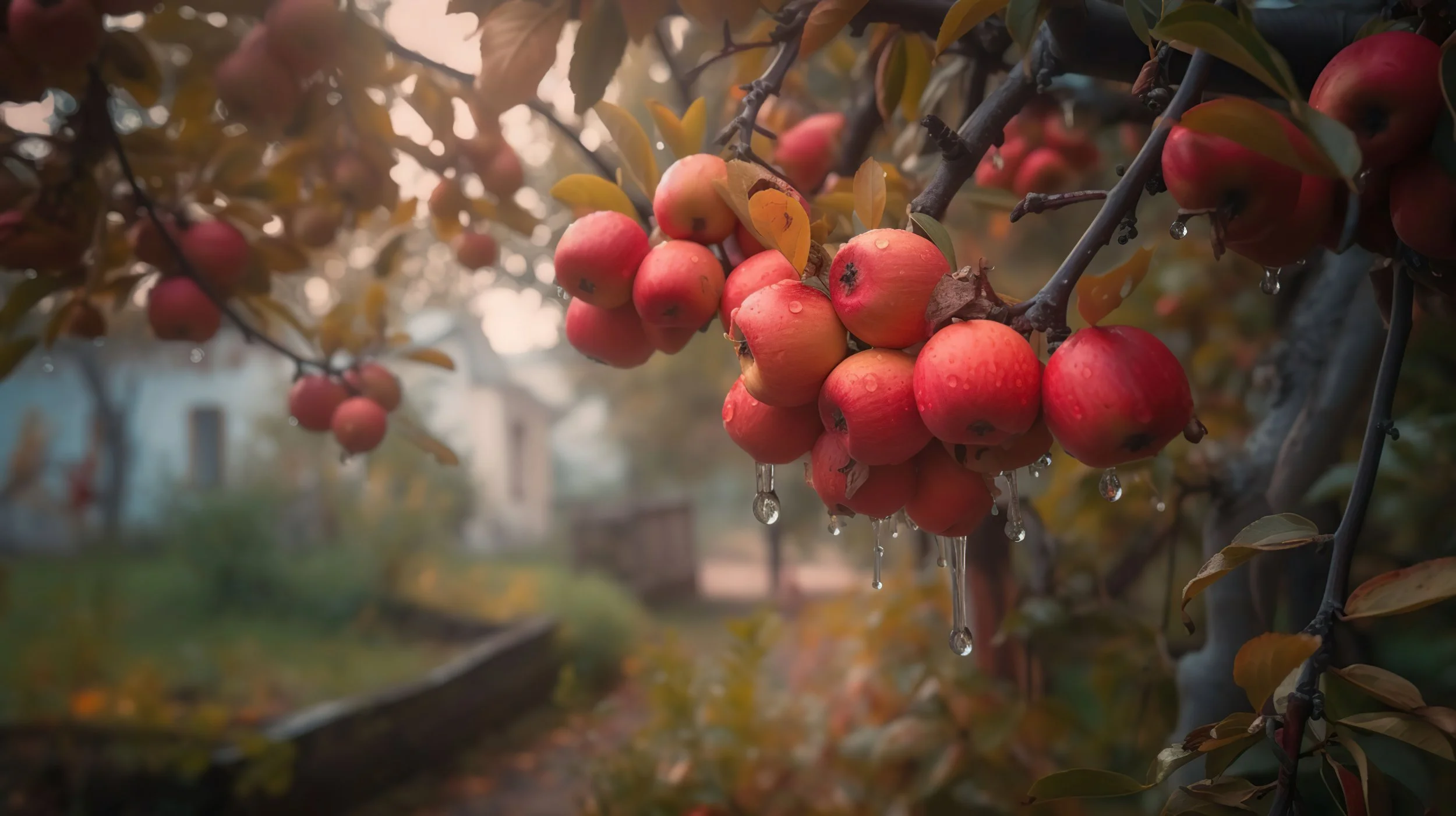
APPLE TREE
Top picks:
Anna
Dorsett Golden
Bonus:
Plant two varieties to improve pollination.
Pomegranate
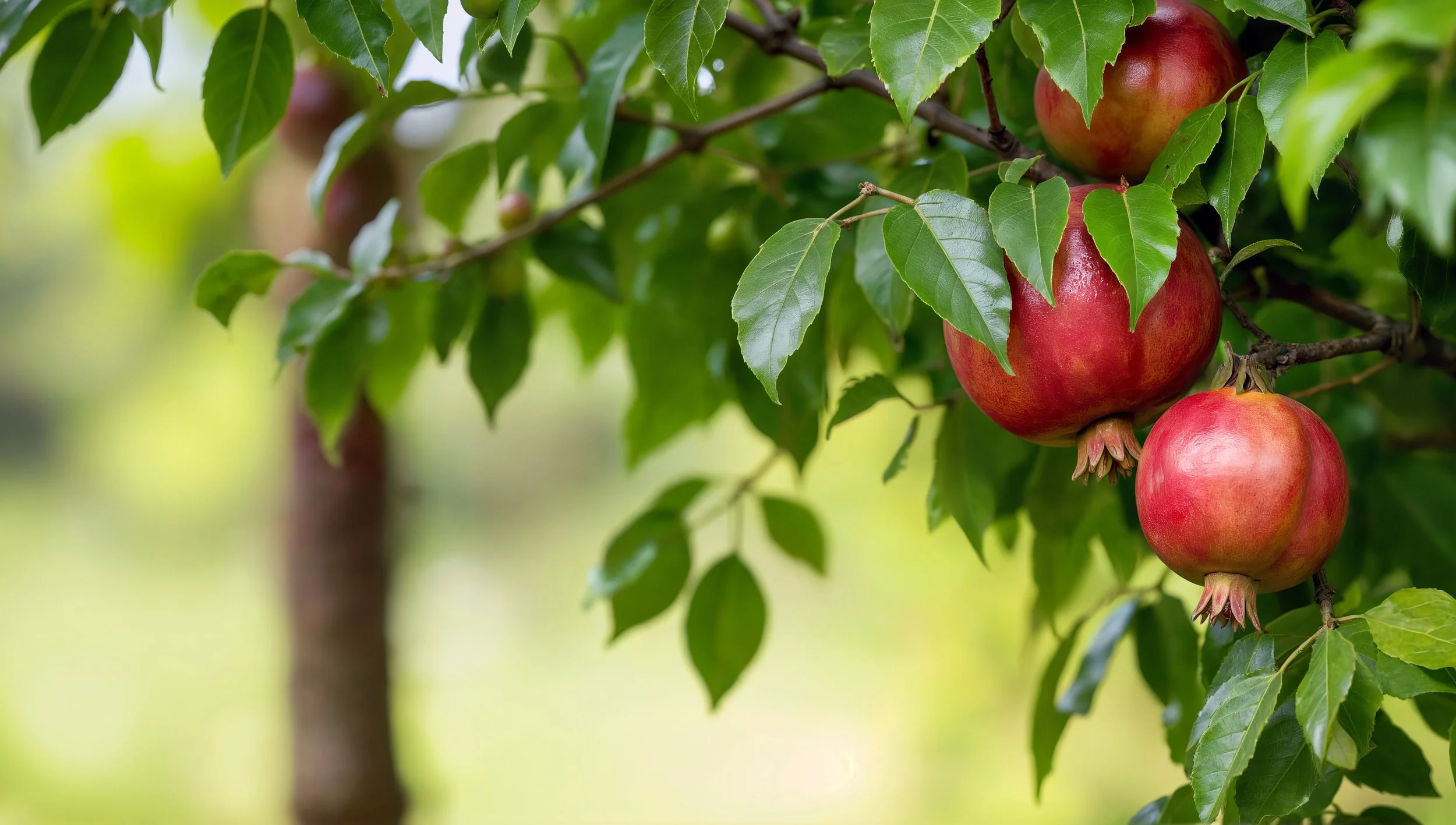
POMEGRANATE TREE
Why they’re great:
Heat-tolerant, drought-resistant, and low-maintenance.
Top pick:
Wonderful Pomegranate
Fig Trees
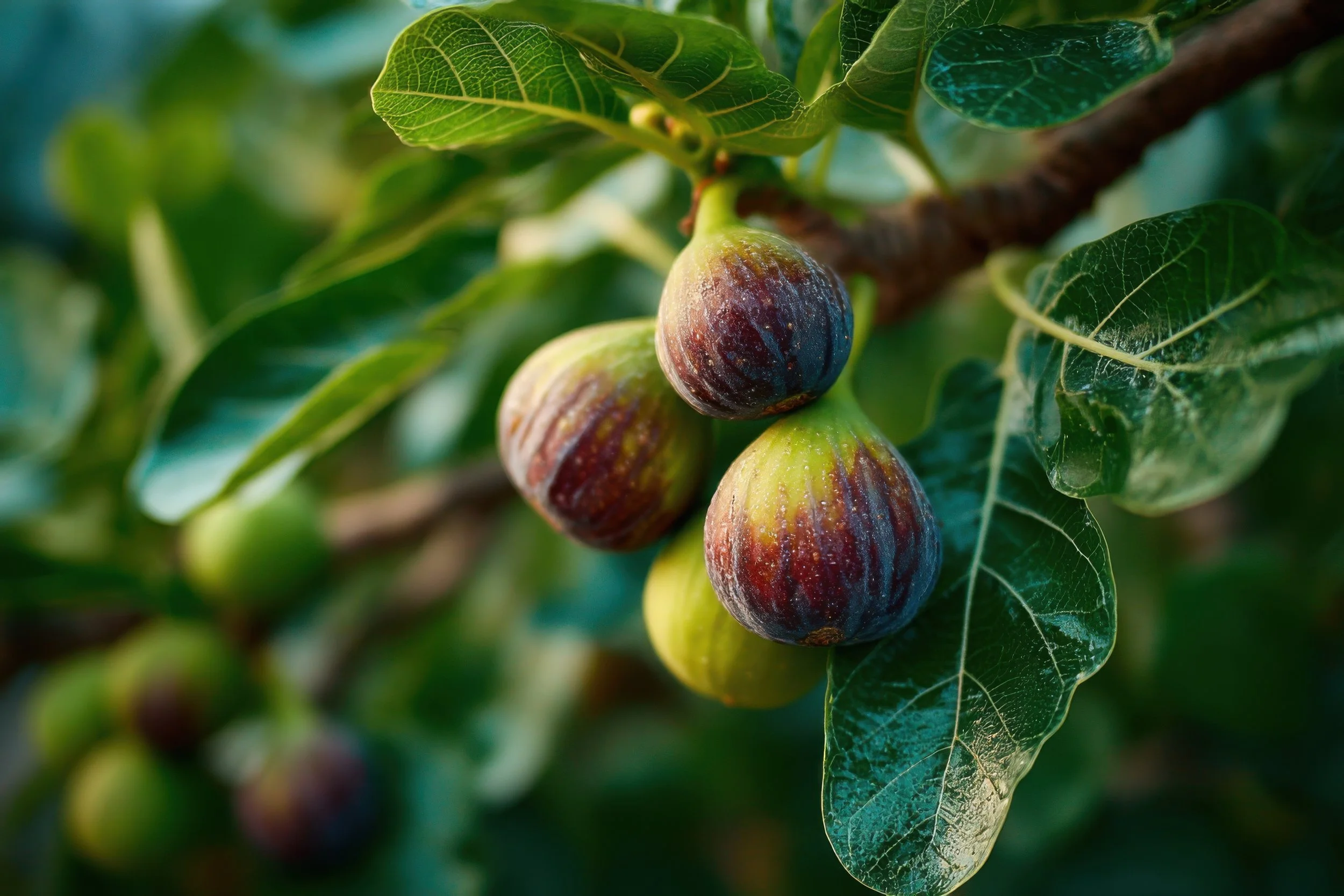
FIG TREE
Why they’re great:
Super easy, productive, and perfect for small gardens.
Top picks:
Black Mission
Brown Turkey
Mango & Tropical (Best for Warmer Zones)
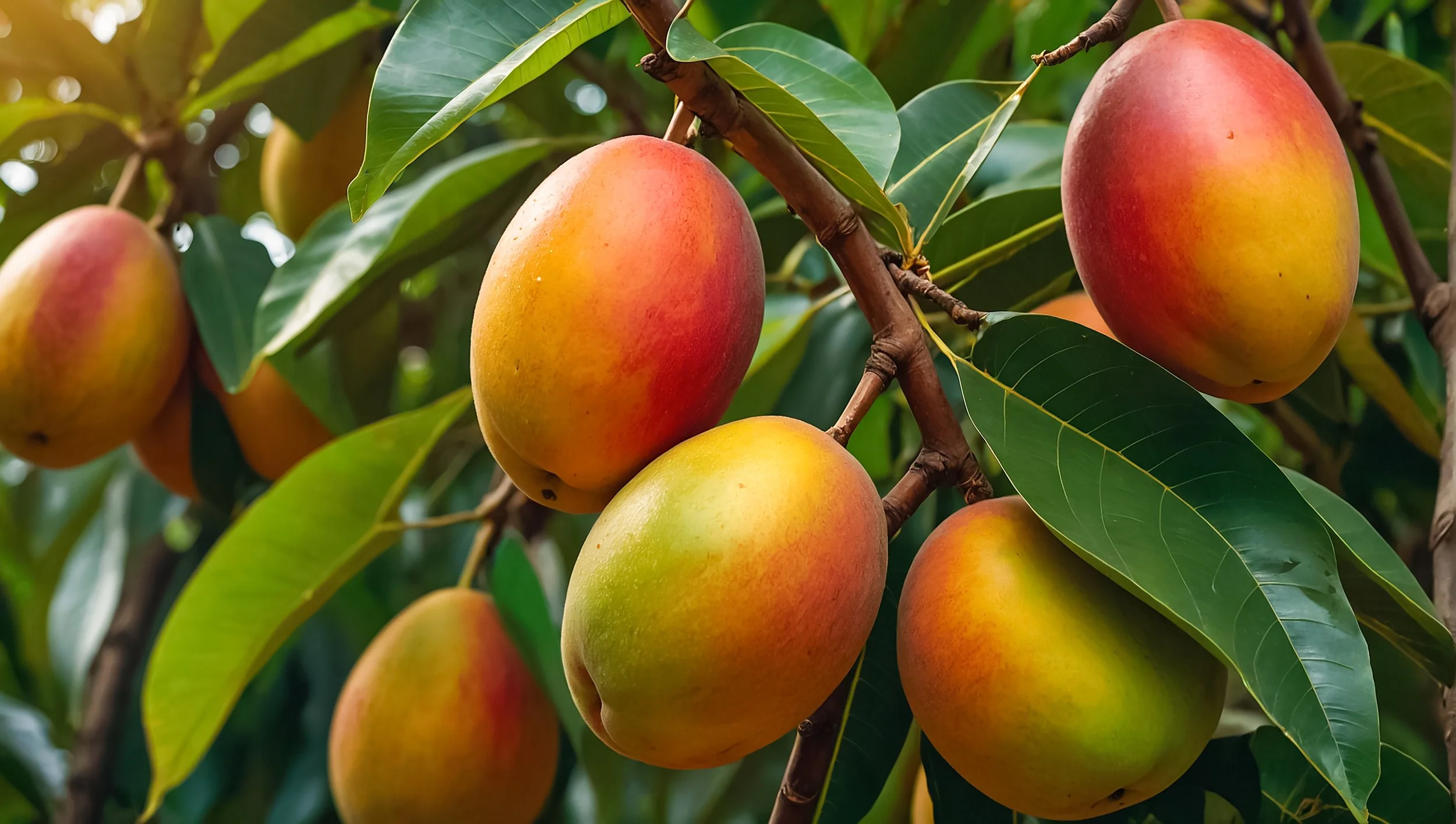
MANGO TREE
Great for inland and coastal microclimates with protection.
Common Fruit Tree Problems (And How to Fix Them)
Pests
Common culprits:
Aphids
Scale
Spider mites
Fruit flies
Natural cures:
Neem oil spray
Insecticidal soap
Ladybugs (yes, really!)
Washing leaves with water
Leaf Curl (Especially on Peaches & Nectarines)
Cause: Fungus
Fix:
Copper fungicide in winter
Good pruning and airflow
Powdery Mildew
Fix:
Improve airflow
Avoid overhead watering
Use organic fungicides
Poor Fruit Production
Possible causes:
Not enough sun
Over-watering
Too much nitrogen
No pollinator partner
Fix:
Full sun, balanced fertilizer, proper pruning.
Root Rot
Cause: Overwatering or poor drainage
Fix:
Improve soil drainage
Reduce watering
Avoid soggy soil
Best Natural Fertilizers & Disease Prevention
Top Soil Boosters
Compost
Worm castings
Fish emulsion
Organic citrus fertilizer
Mulch (wood chips or bark)
Healthy Tree Habits
Deep but infrequent watering
Annual pruning
Mulching to protect roots
Keeping mulch away from the trunk
Removing fallen fruit and leaves
leaves
Best Companion Plants for Fruit Trees
Planting the right neighbors helps repel pests, attract pollinators, improve soil health, and make your garden look stunning.
Pollinator-Friendly Plants
Lavender
Salvia
Rosemary
Yarrow
Coneflower
Pest-Repelling Plants
Basil
Mint
Garlic
Chives
Marigolds
Soil-Improving Groundcovers
Clover (adds nitrogen)
Nasturtiums
Sweet potato vine
Creeping thyme
Drought-Tolerant Companions
Succulents (planted slightly away from irrigation zones)
Kangaroo paw
California native grasses
Sage varieties
Some Fun Layout Idea
Fruit Tree Centerpiece
Surround with:
Lavender + rosemary (pollinators & scent)
Clover groundcover (soil booster)
Marigolds or nasturtiums (pest deterrent)
Mulch ring for moisture retention
Result: healthier trees, fewer pests, and a beautiful, low-maintenance landscape
There’s something magical about stepping outside and picking fruit from your own tree. With the right care, your garden becomes a productive oasis that grows more generous every year.