
Pruning Plants in Southern California: When, Why, and How to Do It Right
Proper pruning is one of the most important and most of the time done wrong parts of maintaining a healthy, beautiful landscape in Southern California. With our mild winters, long growing seasons, and drought-conscious plant palettes, pruning is less about cutting everything back and more about timing, plant knowledge, and long-term design intent.
When done correctly, pruning encourages healthier growth, improves flowering and fruit production, reduces water use, and keeps plants looking intentional rather than overgrown.
This blog post is a guide on when and how to do your plant pruning, including kangaroo paws, succulents, fruit and avocado trees, lavender, and native flowering plants.
Let’s first talk about why pruning matters so much
From a design-build perspective, pruning is not just maintenance, it is an important design process to keep your plants looking nicely. Here are your 5 big WHYs for pruning:
Preserves plant shape and scale
Prevents overcrowding and competition
Improves air circulation and disease resistance
Encourages blooms, structure, and longevity
Reduces unnecessary water and stress
A well-pruned garden looks designed, not neglected.
Now let’s go into the best time of your pruning process (even in our mild winter climate):
Late winter to early spring (January–March): Structural pruning before new growth
After flowering: For bloom-heavy plants
Late summer to early fall: Light cleanup only (avoid heavy pruning)
Avoid heavy pruning during extreme heat or frost risk
How to prune specific plants:
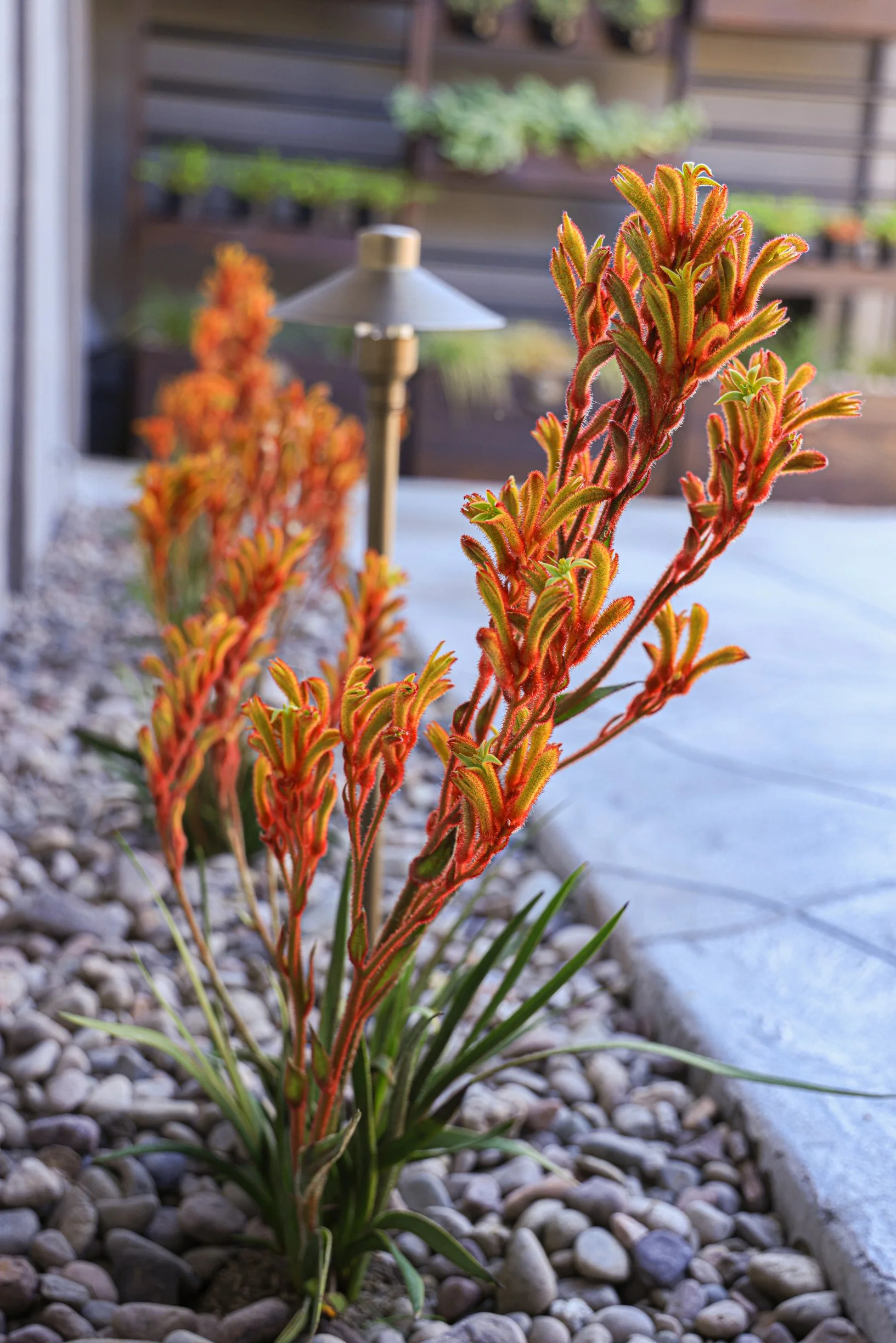
Kangaroo Paws (Anigozanthos)
Best time: Late winter to early spring, and after flowering
How to prune:
Cut spent flower stalks all the way down to the base
Remove brown, damaged, or diseased leaves
Avoid cutting healthy green foliage too low
Regular pruning keeps kangaroo paws upright, vibrant, and prevents fungal issues, especially important in coastal and irrigated landscapes.
Succulents
Best time: Spring and early summer
How to prune:
Remove leggy or stretched growth to maintain form
Trim damaged or sunburned leaves
Replant healthy cuttings for propagation
Minimal pruning keeps succulents sculptural and clean, which is key in modern and drought-tolerant landscape designs.

Fruit Trees & Avocado Trees
Best time: Late winter to early spring (before active growth)
How to prune:
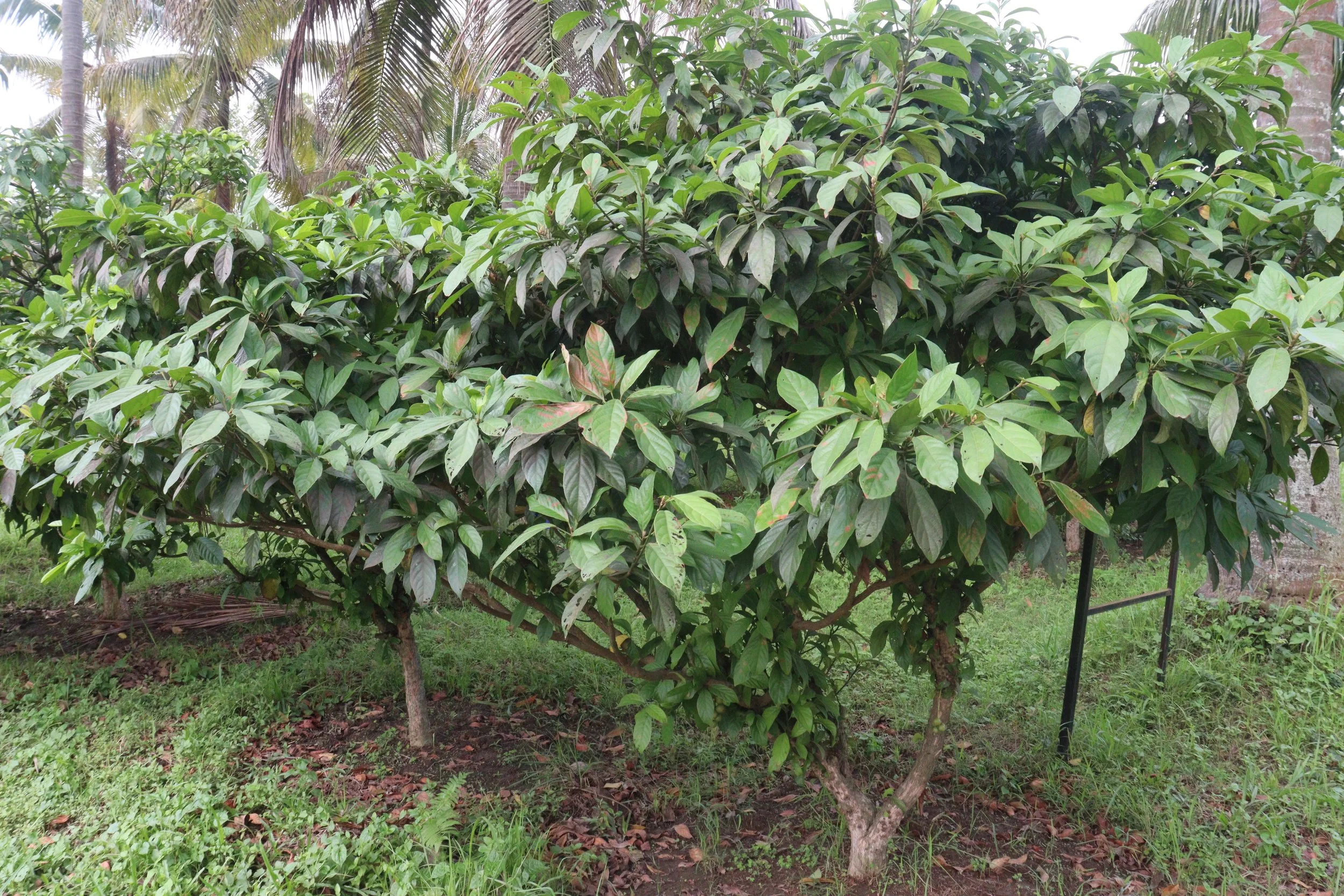
Remove dead, crossing, or inward-growing branches
Thin the canopy to improve air flow and light
For avocados, avoid over-pruning, light shaping is best
Proper pruning improves fruit production while keeping trees at a manageable size for residential landscapes.
Lavender
Best time: After flowering, with a heavier prune in late spring or early summer
How to prune:
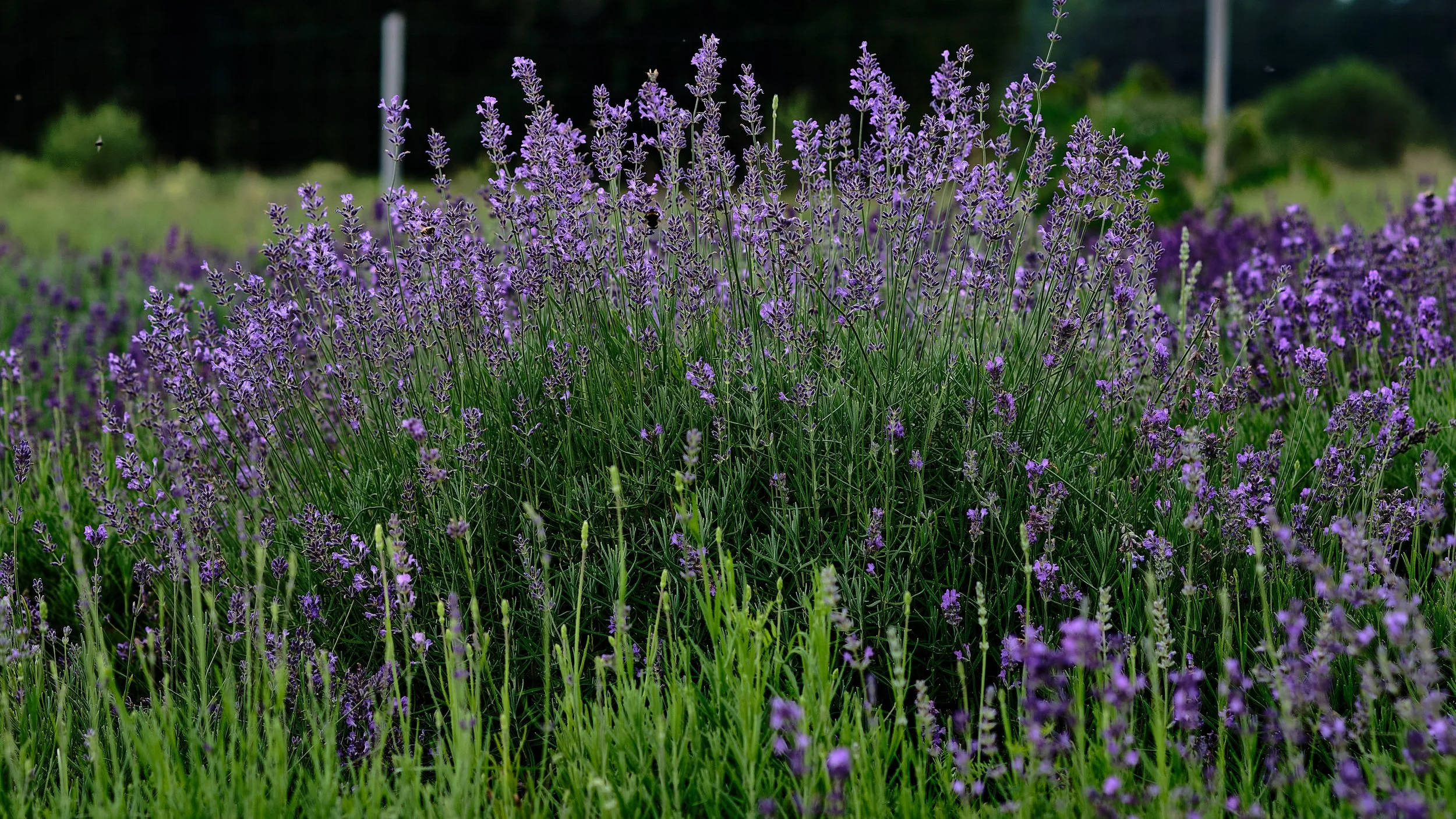
Cut back about one-third of the plant
Never cut into woody growth
Shape into a rounded mound
Pruning lavender prevents it from becoming woody and leggy, extending its life and keeping it visually tidy in low-maintenance designs.
Native Flowering Plants (California Natives)
Best time: After flowering or in late winter
How to prune:
Remove spent blooms to encourage reblooming
Lightly shape, don’t shear
Avoid heavy pruning
Examples:
California fuchsia
Penstemon
Cleveland sage
Yarrow
Native plants thrive with less intervention, prune lightly and let their natural form guide the design.
Pruning Mistakes to Avoid
Over-pruning or “shearing” plants into unnatural shapes
Pruning during extreme heat
Cutting into woody growth on plants like lavender
Treating all plants the same
Each plant has a purpose and personality, your pruning should respect both.
A green thumb isn’t about perfection. It’s about paying attention. Every plant has its own needs and personality, and when you listen, anyone can become a successful gardener.