
Soil Health in SoCal: Your Foundation of a Successful Landscape
Healthy soil is the single most important factor in a successful San Diego landscape. Whether you're installing drought-tolerant natives, slope stabilization planting, or a wonderful garden, poor soil will always lead to struggling plants, higher maintenance, and wasted money.
Southern California soils are often:
Clay-heavy and compacted
Sandy and nutrient-poor
Hydrophobic (water repelling)
Lacking organic matter
High in salts or alkaline
Understanding and improving your soil before planting is critical for long-term success and a beautiful outdoor space!
How to Check if Your Soil is Nutrient Rich
Before adding anything, test what you already have. These simple field tests are commonly used in landscape design to build projects.
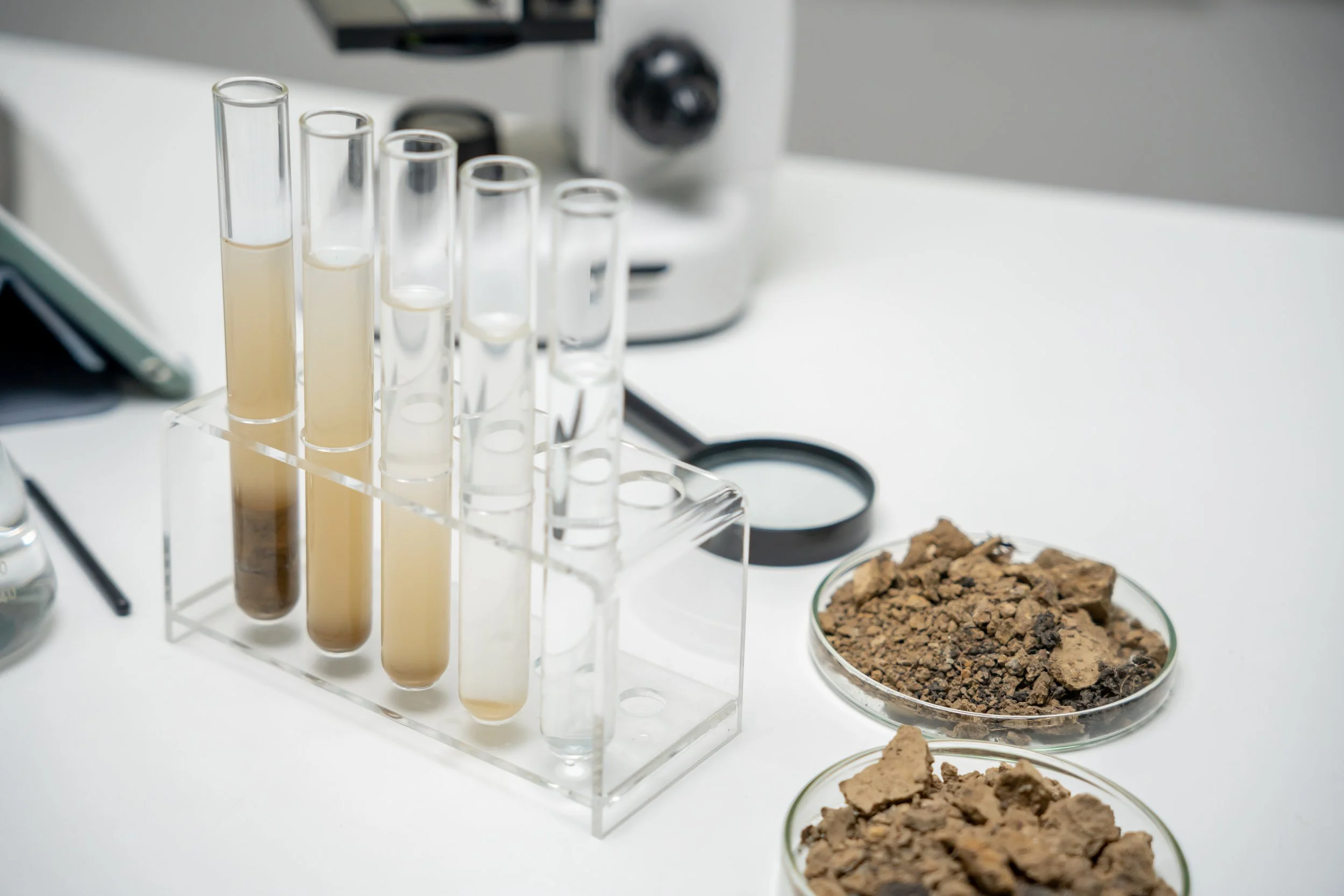
1. The Shake Test (Soil Composition Test)
This test helps determine if your soil is clay, sand, or loam.
Steps:
Fill a clear jar 1/3 with soil
Remove rocks, roots and other unwanted components
Add water almost to the top
Add 1 teaspoon dish soap
Shake for 30 seconds
Let sit for 24 hours
Results (layer order bottom to top):
Bottom = Sand
Middle = Silt
Top = Clay
Floating = Organic matter
Ideal soil (loam):
40% sand
40% silt
20% clay
Too much clay = poor drainage
Too much sand = nutrients drain too quickly
Shake Test Results
2. Drainage Test
Dig hole 12" deep
Fill with water
Let drain
Fill again and time it
Results:
Drains < 30 min = too sandy
30 min – 2 hours = ideal
Over 4 hours = heavy clay / compacted
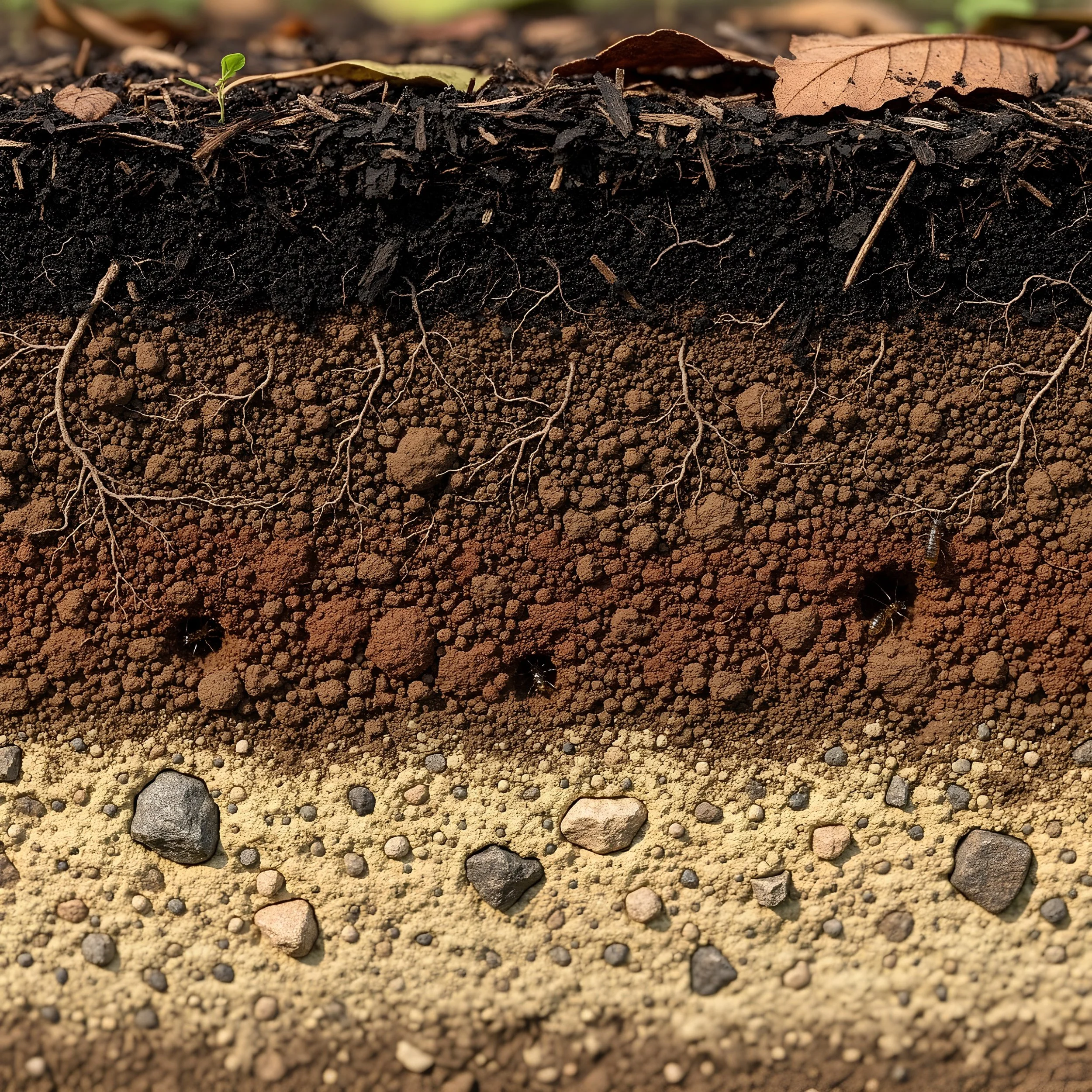
3. Soil Life Test (Biology Check)
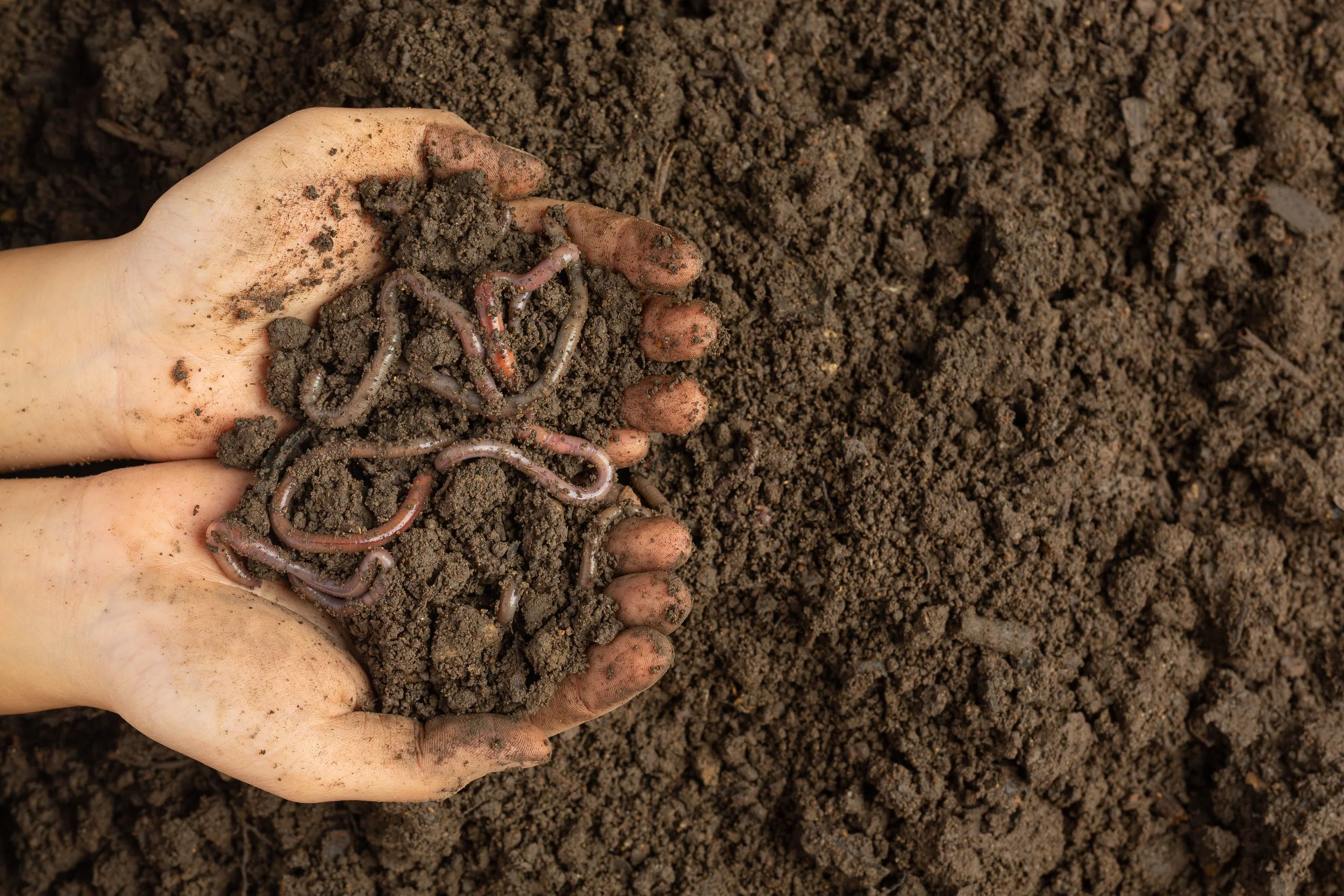
Healthy soil should contain:
Earthworms
Fungal strands
Dark color
Earthy smell
Bad soil:
Pale color
No smell
Hard clumps
No life
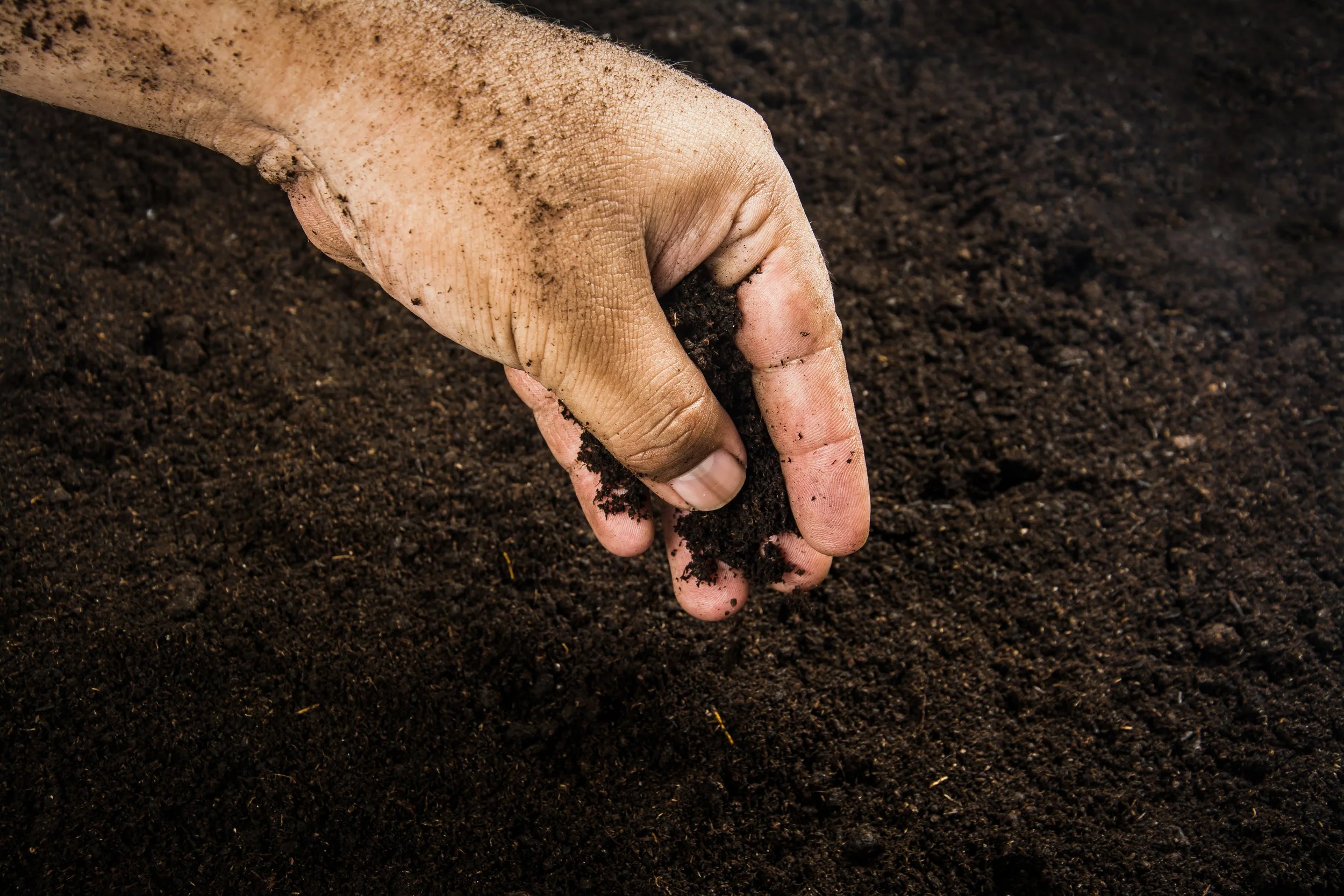
4. Hand Squeeze Test
Grab moist soil and squeeze.
Falls apart = sandy
Holds shape but breaks easily = ideal
Sticky and shiny = clay
What Soil is Best for Slopes
Slope planting in Southern California requires soil that:
Drains well
Holds nutrients
Prevents erosion
Encourages deep roots
Best Soil Mix for Slopes:
40% native soil
30% compost
20% sandy loam
10% mulch/top dressing
This creates:
Stability
Drainage
Root anchoring
Water retention
Avoid:
Pure topsoil (slides)
Heavy clay (water runoff)
Pure sand (erosion)
For steep slopes also add:
Mycorrhizae fungi
Soil binder
Shredded mulch layer
Jute netting (if needed)
Best Seasons to Add Nutrition to Soil (Southern California)
Unlike colder climates, Southern California allows nearly year-round soil improvement.
Fall (BEST TIME)
Build soil before winter rains
Compost breaks down naturally
Roots grow in cooler weather
Ideal for native plants
Best additions:
Compost
Worm castings
Soil conditioner
Mulch
Winter
Add compost
Add mulch
Avoid heavy fertilizer
Let rain distribute nutrients
Spring
Light fertilizer
Compost top dressing
Soil inoculants
Organic plant food
Summer
Minimal fertilizer
Focus on mulch
Liquid nutrients only
Avoid stressing plants
How to Add Nutrition to Soil
Healthy soil is built in layers, not dumped all at once.
1. Compost (This is a fun one to do at home and use kitchen scraps)
Adds:
Organic matter
Microbes
Nutrients
Water retention
How to Apply:
Spread 2–3 inches on top
Mix into top soil 6–8 inches
Best compost types:
Green waste compost
Mushroom compost
Organic compost blend
2. Organic Fertilizer
Slow release and long term effects
Best for Southern California:
4-4-4 organic fertilizer
All purpose organic
Native plant fertilizer which is low in nitrogen
Apply:
Mix into soil before planting
Or sprinkle around root zone
3. Worm Castings
Benefits:
Improves soil biology
Adds micronutrients
Helps root development
Safe for all plants
Apply:
1/2" layer top dressing
Mix into planting holes
4. Mycorrhizae
Beneficial fungi that expand root systems.
Benefits:
Improves drought tolerance
Helps slope planting
Improves nutrient uptake
Reduces transplant shock
Apply:
Sprinkle directly on roots during planting
5. Mulch
Mulch feeds soil slowly.
Best mulch types:
Shredded bark
Wood chips
Forest mulch
Apply:
2–3" thick
Keep away from plant stems
How Bad Soil Affects Plants
Poor soil leads to:
1. Yellow Leaves
Cause:
Lack of nitrogen
Compacted soil
Poor drainage
2. Stopped Growth
Cause:
Roots cannot expand
No nutrients
Hard clay soil
3. Plants Dying After Installation
Cause:
Poor soil preparation
No compost
Poor drainage
This is one of the most common issues in new landscapes.
4. Overwatering Problems
Bad soil holds too much OR too little water.
Clay soil:
Root rot
Fungus
Plant collapse
Sandy soil:
Constant watering needed
Plants dry out fast
5. Weak Root Systems
Poor soil creates shallow roots.
This causes:
Plants falling over
Slope erosion
Wind damage
Short plant lifespan
Our Tips for a successful installation:
Never plant directly into untouched clay
Always check soil before planting
Use mulch on every planting project
Improve soil before irrigation install
Healthy soil reduces maintenance costs
Healthy soil reduces water use
Healthy soil increases plant life
In SoCal landscapes, soil health is a very important key component for a successful landscape. Even drought-tolerant plants will struggle in poor soil, while healthy soil allows plants to thrive with less water and less maintenance.
If you're planning a new landscape, slope planting, or refreshing your yard, start with the soil, it truly is the foundation of everything.
Happy planting!